The Best Easy No-Bake Butterscotch Cheesecake Bars
Creamy no-bake butterscotch cheesecake bars with a buttery graham cracker crust and rich caramel topping. An easy, crowd-pleasing dessert perfect for any occasion.
📋 Table of Contents
Why You’ll Love This Recipe
Butterscotch and caramel are often used interchangeably, and they are not the same thing. Caramel is sugar cooked until it browns; butterscotch is brown sugar cooked with butter, so the molasses in the sugar is doing much of the flavour work. That is why butterscotch tastes deeper and slightly saltier at the same colour.
In a no-bake bar, that matters practically. Brown sugar holds moisture, so a butterscotch layer stays softer than a caramel one at the same temperature and needs a firmer base underneath to support it.
The filling here sets by fat firming in the cold rather than by gelatin or by baking. That is the softest kind of set and the least tolerant of a warm room, so keep them refrigerated until they are served.
Chill for a full night before cutting. Four hours gives something that looks set and smears under the knife.
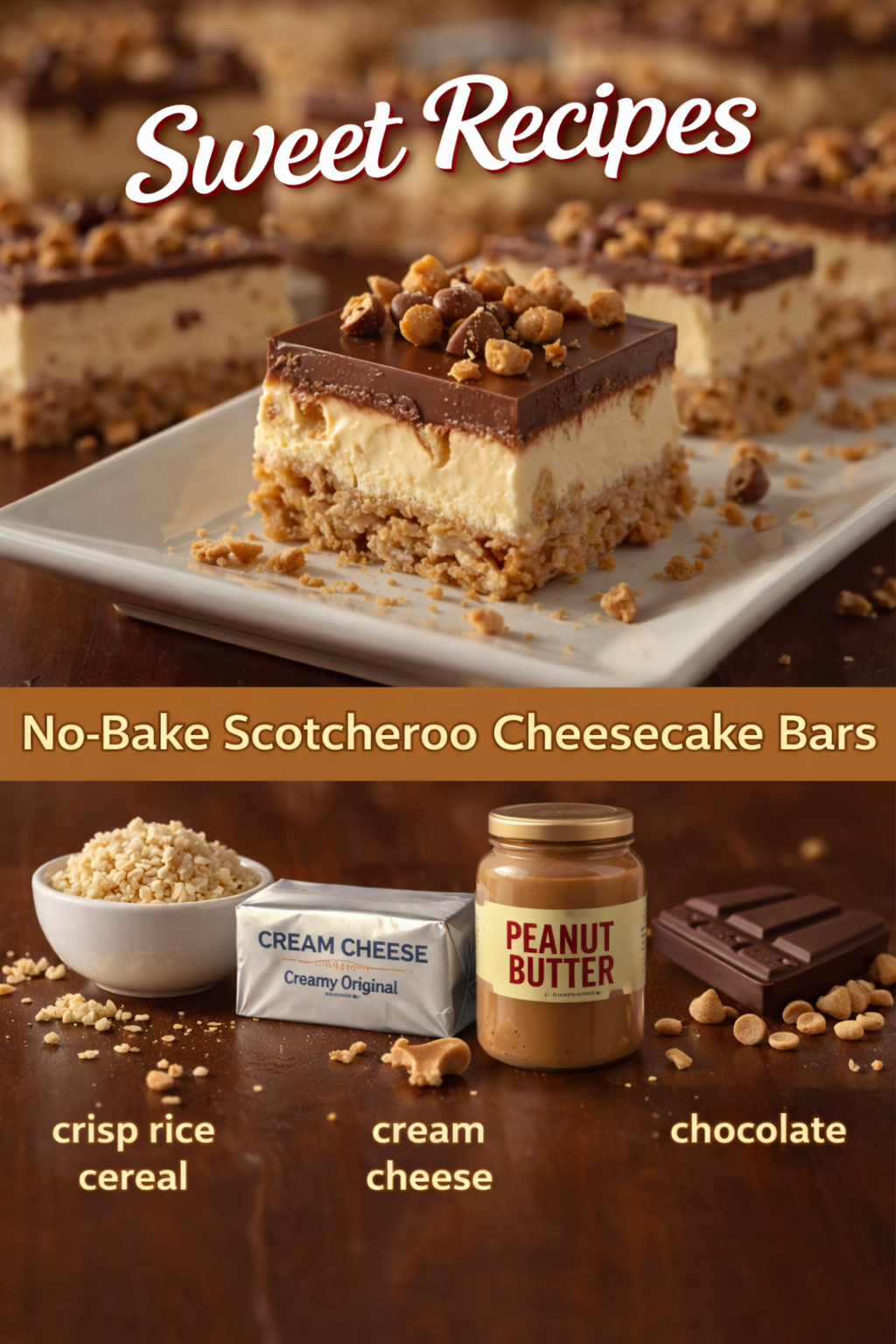
No-Bake Butterscotch Cheesecake Bars
Ingredients
Equipment
Method
- Prepare the Crust
- In a bowl, mix graham cracker crumbs, melted butter, and brown sugar.
- Press mixture firmly into the bottom of a lined 8×8-inch pan.
- Refrigerate for 15–20 minutes to set.
- Make the Filling
- Beat cream cheese until smooth and creamy.
- Add powdered sugar and vanilla; mix well.
- In a separate bowl, whip heavy cream until stiff peaks form.
- Fold whipped cream gently into the cream cheese mixture.
- Add butterscotch sauce and mix until smooth.
- Assemble
- Spread cheesecake filling evenly over the chilled crust.
- Smooth the top with a spatula.
- Chill
- Refrigerate for at least 4 hours (overnight is best for firm texture).
- Add Topping
- Drizzle butterscotch sauce over the top.
- Add whipped cream or garnish if desired.
- Slice into bars and serve chilled.
- 🍯 Optional Homemade Butterscotch Sauce
- ½ cup butter
- 1 cup brown sugar
- 1 cup heavy cream
- Pinch of salt
- Steps:
- Melt butter and brown sugar together.
- Add cream slowly while stirring.
- Simmer 3–5 minutes until thickened.
- Cool before using.
Notes
Chill overnight for cleaner slices
Line pan with parchment for easy removal
Warm your knife slightly for perfect cuts
Getting a Firm Set Without an Oven
There is no gelatin in this dessert and no oven, so nothing here sets the way a mousse or a baked cheesecake does. What holds it together is fat becoming firm in the cold, and understanding that explains both its texture and its limits.
Cream cheese is roughly a third fat, mascarpone closer to half. Chilled, that fat becomes solid enough to hold a shape; at room temperature it softens within minutes. Whipped cream works the same way, with air trapped in a network of partly crystallised fat globules. Neither forms a rigid structure, which is why this is a spoon dessert rather than something you slice.
Two temperatures matter, and they pull in opposite directions. The cream cheese must be at room temperature before mixing, or it stays lumpy and no amount of beating smooths it out. The cream must be properly cold, or it will not whip at all. Take one out early and leave the other in the fridge until the moment you need it.
Whip only to soft peaks. Stiff peaks look more stable but are closer to breaking, and over a long chill they separate into grains and liquid. Fold the whipped cream into the cheese mixture rather than beating it in, and stop as soon as the streaks disappear.
Icing sugar does more than sweeten here. It contains a small amount of cornflour, which absorbs free moisture and helps the mixture hold its texture longer than granulated sugar would.
Assembly Notes
For the smoothest cheesecake filling, start with fully softened cream cheese. Cold cream cheese often leaves tiny lumps that become difficult to remove later. Professional pastry kitchens typically allow cream cheese to rest at room temperature for at least 45 minutes before mixing because softer cream cheese blends faster and traps less air.
Whipping the cream separately before folding it into the filling is another important technique. This step creates a lighter texture and prevents the cheesecake from becoming dense or overly heavy after chilling. Fold gently with a spatula instead of stirring aggressively so the whipped cream keeps its structure.
During recipe testing, one batch turned slightly runny because the butterscotch sauce was added while still warm. Allowing the sauce to cool first solved the problem immediately. Warm sauce softens the cream mixture too much and delays setting time in the refrigerator.
If you want bakery-style slices, line the pan with parchment paper and leave extra paper hanging over the edges. Once chilled, you can lift the entire cheesecake slab out cleanly before slicing. Running a knife under warm water between cuts also helps create smooth edges without pulling the filling apart.
Storage is simple but important for texture. Keep the bars refrigerated in an airtight container for up to four days. The crust stays crisp longer when the dessert is covered tightly, preventing the filling from absorbing refrigerator moisture. Freezing is possible as well, although the texture becomes slightly firmer after thawing.
Other Ways to Serve It
These cheesecake bars adapt well to different flavors and dietary preferences. Crushed chocolate cookies can replace graham crackers for a darker, richer crust that pairs beautifully with butterscotch. Some testers preferred adding chopped toasted pecans into the crust mixture for extra crunch and a subtle roasted flavor.
For a lighter version, mascarpone cheese can replace part of the cream cheese, creating a softer and more delicate filling. If you prefer stronger caramel notes, a pinch of flaky sea salt on top balances the sweetness and enhances the buttery butterscotch flavor.
Gluten-free digestive biscuits work surprisingly well for the crust, while dairy-free cream cheese and coconut cream can be used for a non-dairy alternative. During testing, adding a thin layer of sliced bananas beneath the cheesecake filling created a flavor similar to banoffee pie, especially when topped with extra butterscotch drizzle.
Frequently Asked Questions
-
Q: Why didn’t my cheesecake bars set properly?
The filling usually needs more chilling time. Overnight refrigeration gives the cream cheese and whipped cream enough time to firm up completely. -
Q: Can I use store-bought butterscotch sauce?
Yes. Store-bought sauce works well for convenience, but homemade butterscotch often gives a deeper buttery flavor and smoother consistency. -
Q: How do I prevent the crust from crumbling?
Press the crust firmly into the pan and chill it before adding the filling. The melted butter helps bind the crumbs together as it firms up in the refrigerator. -
Q: Can these bars be frozen?
They freeze well for up to one month. Wrap the bars tightly and thaw overnight in the refrigerator before serving. -
Q: Why should the butterscotch sauce cool before mixing?
Warm sauce softens the filling too much and can affect the final texture. Cooling the sauce helps the cheesecake remain thick and stable while chilling.