Easy Strawberry Upside Down Cake Recipe (Moist & Delicious)
Strawberry upside down cake with fresh strawberries and a buttery vanilla cake. Easy, moist, and perfect for a homemade dessert.
📋 Table of Contents
Why You’ll Love This Recipe
An upside-down cake made with strawberries is a wetter proposition than the pineapple version it is modelled on, and that difference drives everything.
Canned pineapple has already been drained; fresh strawberries have not. They release a great deal of juice into the sugar layer as they bake, which can leave the fruit sitting in syrup rather than in a set caramel. Using slightly underripe berries and cutting them thicker both help, because they hold their structure longer in the heat.
The sugar layer needs to be genuinely caramelised before the batter goes in, not just melted. Pale sugar and fruit juice combine into a thin syrup that soaks the sponge.
Turn it out after about ten minutes. Sooner and the caramel is still liquid and runs off; later and it sets hard enough to glue the fruit to the tin.
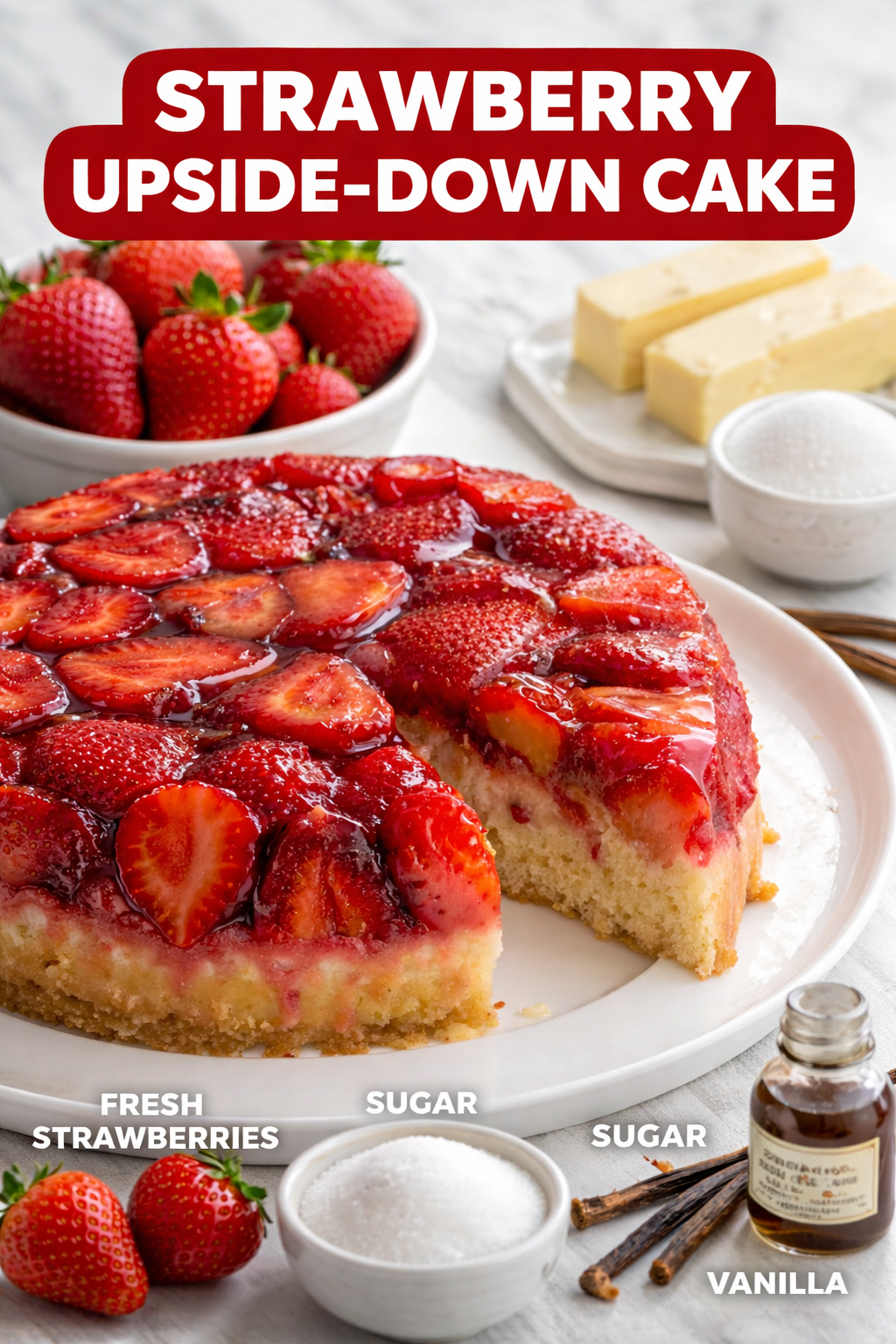
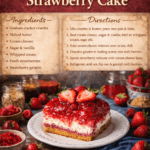
Strawberry Upside-Down Cake
Ingredients
Equipment
Method
- Preheat oven to 350°F (175°C). Grease a 9-inch round cake pan.
- Prepare topping:
- Melt butter and brown sugar in a small pan until bubbly. Pour into the cake pan and spread evenly. Arrange strawberries cut-side down on top.
- Mix dry ingredients:
- In a bowl, whisk together flour, baking powder, and salt.
- Cream butter & sugar:
- In another bowl, beat butter and sugar until light and fluffy.
- Add eggs & vanilla:
- Beat in eggs one at a time, then add vanilla extract.
- Combine:
- Add dry ingredients in batches, alternating with milk. Mix until smooth.
- Assemble:
- Pour batter over strawberries and spread evenly.
- Bake:
- Bake for 35–40 minutes or until a toothpick comes out clean.
- Cool & flip:
- Let cool for 10–15 minutes, then carefully invert onto a plate.
Notes
- Use ripe but firm strawberries for best texture
- Don’t skip cooling before flipping (prevents sticking)
- Add a scoop of vanilla ice cream for serving 😄
Reading the Bake Instead of the Timer
The toothpick test is the standard advice and it is unreliable for anything rich. In a batter containing melted chocolate or a lot of fat, the streaks left on the skewer are simply the fat, not raw batter, so a fully baked cake reads as underdone and gets returned to the oven. That is a common route to a dry result.
Internal temperature is the honest measure. Most butter cakes are done between 93 and 96 °C. Leaner sponges run a little higher, around 96 to 99 °C. An instant-read thermometer in the centre removes the guesswork entirely, and once you have checked a few bakes against it you start recognising the visual cues properly.
Those cues are worth learning. The edges pull very slightly away from the sides of the tin. The top springs back rather than holding a fingerprint. And the sound changes: a baking cake hisses quietly as steam escapes, and that noise fades as it finishes.
One more thing decides the crumb, and it happens early. Do not open the oven during the first two thirds of the bake. Until the structure sets, the batter is essentially a liquid held up by expanding gas, and the temperature drop from an open door is enough to collapse it. Once the top has domed and coloured, a quick look does no harm.
What to Watch For
The most important technique in this strawberry upside-down cake is controlling moisture. Strawberries naturally release juice as they heat, so patting them dry before arranging them in the pan makes a noticeable difference. Excess surface moisture can thin out the caramel layer and create a watery topping instead of a glossy finish.
Room-temperature butter and eggs are also essential for the batter. When cold ingredients are mixed into softened butter, the batter can curdle slightly, leading to a dense cake texture. Properly creamed butter and sugar trap air, which gives the cake its soft, delicate crumb while still being sturdy enough to hold the fruit layer.
Another professional tip is to avoid overmixing once the flour is added. Stir just until the batter looks smooth. Overworked batter develops too much gluten, which can make the cake chewy instead of tender. During recipe testing, even an extra minute of mixing noticeably changed the texture.
If the strawberries begin browning too quickly near the end of baking, loosely tent the pan with foil for the final 10 minutes. This keeps the fruit bright while allowing the center of the cake to finish baking evenly.
For storage, keep leftovers covered at room temperature for one day or refrigerated for up to three days. The strawberry topping becomes even more jammy overnight. To reheat, warm individual slices for about 10 seconds in the microwave to bring back the soft buttery texture and fresh berry aroma.
Other Tins and Shapes
This strawberry upside-down cake adapts beautifully to seasonal ingredients. Blueberries or raspberries can be mixed with the strawberries for a deeper berry flavor and a more bright topping. A small amount of lemon zest in the batter also brightens the fruit and adds a fresh citrus aroma.
For a richer dessert, replace the vanilla extract with almond extract. The nutty sweetness pairs especially well with baked strawberries and gives the cake a bakery-style flavor. Some pastry chefs also brush the finished cake lightly with warm strawberry jam for extra shine.
To make the recipe gluten-free, use a high-quality 1:1 gluten-free baking flour blend. The cake remains soft and stable as long as the batter is not overmixed. For a dairy-free version, substitute plant-based butter and unsweetened oat milk. Coconut milk works too, though it adds a subtle tropical note.
If fresh strawberries are unavailable, frozen strawberries can work in a pinch, but thaw and drain them first. Otherwise, the excess liquid may prevent the topping from caramelizing properly.
Frequently Asked Questions
- Q: Why did my strawberries stick to the pan? Letting the cake cool for 10–15 minutes before flipping usually prevents sticking. If cooled too long, the caramel can harden and cling to the pan.
- Q: Can I make this strawberry cake ahead of time? Yes. The cake can be baked several hours ahead and kept covered at room temperature. The flavor actually deepens slightly as the strawberry topping settles into the cake.
- Q: How do I know when the cake is fully baked? A toothpick inserted into the center should come out mostly clean with only a few moist crumbs. The edges will also begin pulling slightly away from the pan.
- Q: Can I reduce the sugar? You can reduce the granulated sugar in the batter slightly, but avoid cutting the brown sugar topping too much because it helps create the caramel layer and balances the tart berries.
- Q: What pan works best for upside-down cakes? A light-colored metal cake pan distributes heat evenly and prevents over-browning. Glass pans tend to caramelize the fruit faster and may require a shorter baking time.