Irresistible Ultra Fluffy Pancakes You’ll Love
Make the best fluffy pancakes with this easy homemade recipe. Soft, thick, and ready in just 15 minutes – perfect for breakfast or brunch.
📋 Table of Contents
Why You’ll Love This Recipe
This recipe was developed after several late-night pastry tests in a professional kitchen where texture mattered just as much as flavor. The final result delivers the kind of balance that experienced bakers look for: rich flavor without heaviness, a tender interior with just enough structure, and an aroma that fills the kitchen long before the timer rings. One detail that makes this recipe stand out is the careful handling of the main ingredients. Instead of rushing the mixing process, the batter or dough is built gradually, which creates a smoother consistency and prevents dense or gummy results.
During testing, one common mistake appeared repeatedly: overmixing after adding the dry ingredients. The texture immediately changed from soft and airy to tight and slightly chewy. The fix was simple but important. Once the flour mixture is added, fold gently until no visible streaks remain. Professional pastry chefs often stop mixing earlier than home bakers expect because the residual folding continues blending the ingredients naturally. That small adjustment creates a lighter crumb and a cleaner finish.
You’ll also notice how the aroma develops differently throughout baking. Early on, buttery and vanilla notes begin to rise, but the deeper caramelized smell appears during the last few minutes when the sugars fully develop color. That final stage is where much of the flavor complexity happens. Pulling the recipe out too early often leaves the center underdeveloped in flavor even if it looks visually done.
Another reason this recipe works so well is temperature control. Using room-temperature ingredients helps create an even emulsion, which traps air more efficiently. Cold ingredients tend to separate the batter, leading to uneven pockets after baking. In pastry kitchens, this technique is standard because it produces a more consistent rise and smoother texture.
The finished recipe has layers of contrast that make it memorable. The edges develop a delicate golden finish while the center stays soft, creamy, and rich. Depending on the ingredients in your recipe card below, you may notice subtle notes of toasted sugar, warm spice, citrus brightness, or deep chocolate richness. Serve it slightly warm if possible. The texture becomes noticeably silkier, and the aroma intensifies in the first few minutes after slicing.
Whether you’re preparing this recipe for a weekend gathering, a family dessert table, or simply refining your baking skills, it offers the kind of dependable results that improve with every batch. Small details matter here, and that’s exactly what gives the recipe its professional finish.
Irresistible Ultra Fluffy Pancakes You’ll Love
Ingredients
Equipment
Method
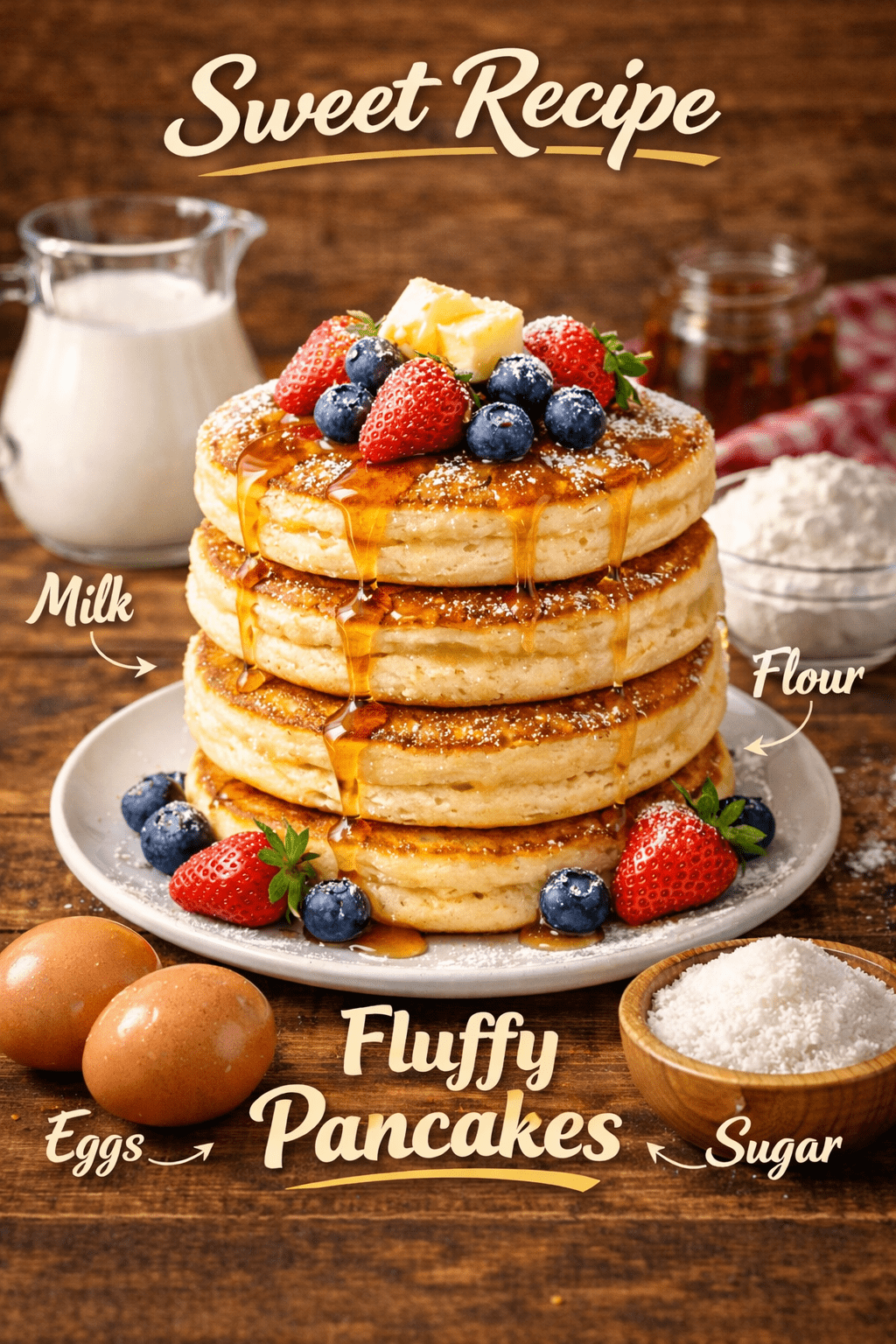
- In a bowl, whisk together flour, sugar, baking powder, and salt.
- In another bowl, mix milk, egg, melted butter, and vanilla.
- Pour wet ingredients into dry ingredients and mix until just combined (don’t overmix).
- Heat a non-stick pan over medium heat and lightly grease it.
- Pour ¼ cup of batter for each pancake.
- Cook until bubbles form, flip, and cook until golden brown.
- Serve warm with syrup, fruit, or butter.
Notes
Expert Tips & Techniques
One of the biggest improvements you can make to this recipe is weighing ingredients instead of relying on measuring cups alone. Professional pastry kitchens depend on precision because even small changes in flour or liquid can dramatically affect texture. Too much flour often creates a dry or compact result, while excess liquid can leave the center underbaked.
Another key technique is patience during mixing. Creaming butter and sugar properly introduces tiny air pockets that help create a lighter structure during baking. Many home bakers stop too early because the mixture already looks combined, but you should continue until it becomes noticeably paler and fluffier. That extra minute or two makes a visible difference in the final texture.
If the top browns too quickly while baking, loosely tent it with foil during the final portion of baking time. This protects the surface while allowing the center to finish cooking evenly. In testing, darker metal pans baked faster and produced crispier edges, while glass pans created a softer finish with slightly longer baking times.
For the best flavor, allow the finished bake to cool for at least 15 to 20 minutes before slicing. Fresh from the oven, the internal structure is still settling. Cutting too early releases steam rapidly and can create a gummy texture. After resting, the crumb becomes more stable and the flavors taste deeper and more balanced.
Storage also matters. Keep leftovers in an airtight container at room temperature for up to two days, or refrigerate for longer freshness. If chilled, warm individual portions slightly before serving. The aroma becomes richer, and the texture softens beautifully after a few seconds of gentle heat.
Variations & Alternatives
This recipe adapts surprisingly well to different flavor profiles. For a brighter finish, add citrus zest such as orange or lemon. The oils in the zest cut through sweetness and add freshness without changing the texture. If you prefer deeper flavors, a touch of espresso powder enhances chocolate notes and creates a more complex finish without making the dessert taste like coffee.
For gluten-free baking, use a reliable 1:1 gluten-free flour blend that contains xanthan gum. During testing, blends with rice flour alone produced a slightly sandy texture, while balanced blends created a softer crumb closer to the original version.
You can also reduce sweetness slightly without affecting structure too much. However, cutting sugar excessively may change moisture retention and browning. For dairy-free versions, high-quality plant-based butter works better than liquid oils because it maintains structure and richness.
If serving for special occasions, consider adding toasted nuts, a drizzle of warm sauce, or lightly whipped cream. Those finishing touches create contrast in texture and temperature, which makes the dessert feel more polished and restaurant-quality.
Frequently Asked Questions
- Q: Why did my recipe turn out dense instead of light? Overmixing is usually the cause. Once the dry ingredients are added, mix gently and stop as soon as the batter looks combined.
- Q: Can I prepare this recipe ahead of time? Yes. Many baked desserts actually taste better several hours later because the flavors settle and deepen as they cool.
- Q: How do I know when it’s fully baked? Look for lightly golden edges and a center that springs back gently when touched. A toothpick should come out with a few moist crumbs, not wet batter.
- Q: Can I freeze leftovers? Absolutely. Wrap portions tightly to protect moisture and flavor. Thaw overnight in the refrigerator and warm slightly before serving.
- Q: Why are room-temperature ingredients important? They blend more evenly, creating a smoother batter and better air incorporation, which improves both texture and rise.
- Q: What improves flavor the most? Quality butter, real vanilla, and proper browning during baking make a noticeable difference in aroma and overall depth of flavor.