The Best Sweet Mini Mango Tarts
These sweet mini mango tarts are creamy, buttery, and filled with fresh mango flavor. An easy tropical dessert perfect for parties, brunch, or summer gatherings.
📋 Table of Contents
Why You’ll Love This Recipe
These sweet mini mango tarts bring together everything that makes a warm-weather dessert memorable: buttery crisp pastry, silky mango filling, and the bright tropical aroma of ripe fruit the moment the tray comes out of the refrigerator. During recipe testing, the first batch disappeared faster than expected because the contrast between the flaky tart shell and the cool creamy center was incredibly satisfying. The mango filling stays smooth and rich without becoming heavy, which makes these mini tarts feel elegant enough for a brunch table yet relaxed enough for a summer family gathering.
One of the details that makes this recipe stand out is the balance between sweetness and freshness. Using ripe mangoes such as Alphonso or Ataulfo creates a naturally fragrant puree with floral notes and a deep golden color. The condensed milk adds body and gentle caramel sweetness, while the cream softens the fruit’s tanginess into a velvety texture. As the filling cooks, the kitchen fills with the scent of warm mango and vanilla, almost like tropical custard simmering on the stove.
There is also a practical reason this recipe works so well for entertaining. Mini tart shells hold their shape beautifully when baked properly, and they can be prepared a day ahead. Chilling the dough before baking is not just an extra step. It keeps the butter cold, which creates a lighter, crisper crust instead of a dense pastry. In early testing, skipping the chilling time caused the shells to shrink and puff unevenly. Letting the dough rest for at least 30 minutes solved the problem immediately and gave the shells cleaner edges.
Another helpful technique is allowing the mango filling to cool slightly before assembling the tarts. Pouring the mixture in while too hot can soften the crust and remove that delicate crisp bite. Waiting just ten minutes creates a smoother finish and keeps the shells pleasantly firm underneath the creamy center. A small pinch of salt in the tart dough also makes a noticeable difference because it sharpens the sweetness of the fruit rather than letting the dessert taste flat.
Served chilled with fresh mango cubes, mint, or a drizzle of white chocolate, these mini mango tarts taste cool, creamy, and lightly tropical with every bite. They are especially refreshing after a rich meal because the fruit keeps the dessert bright rather than overly sugary. :contentReference[oaicite:0]{index=0}
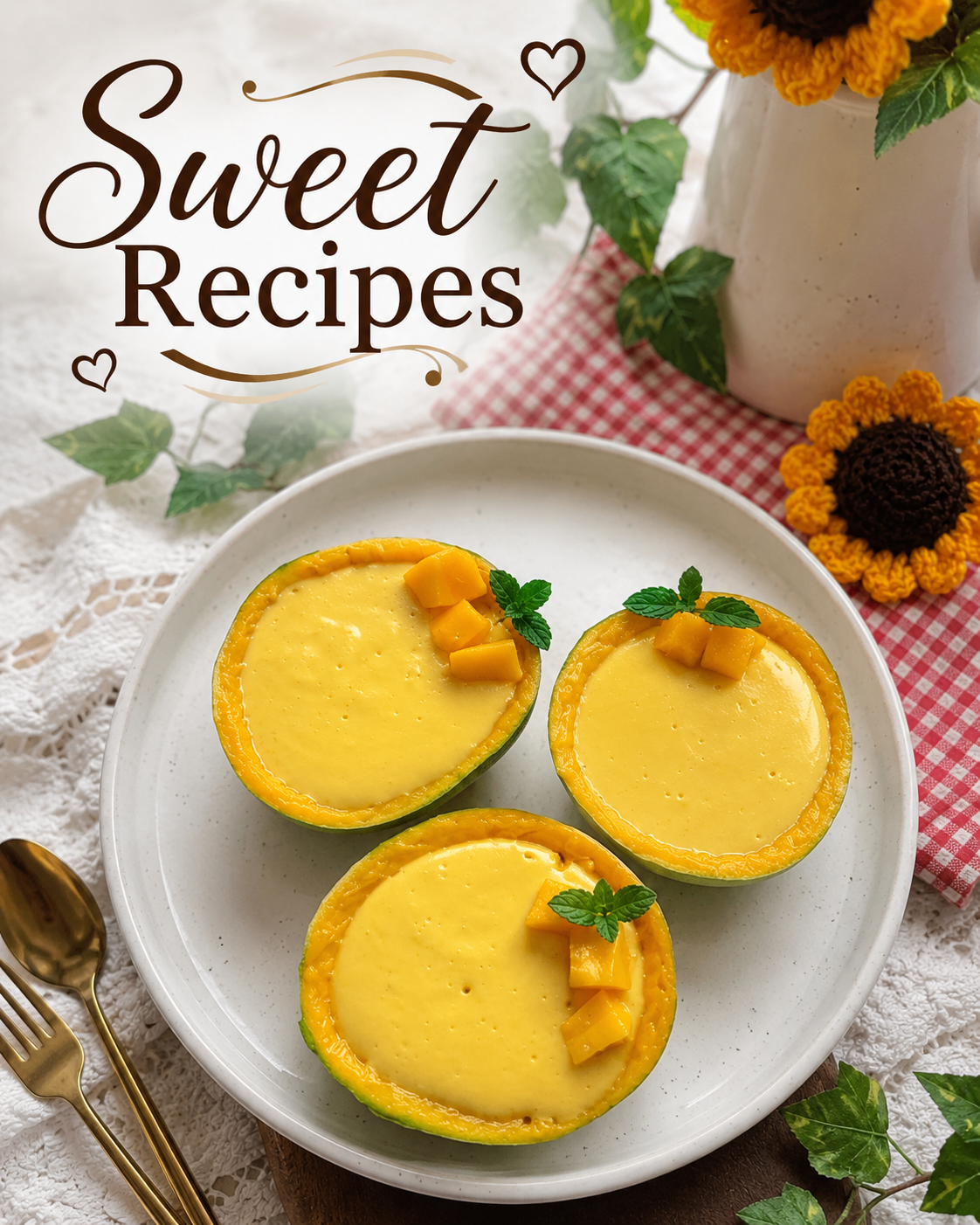
Sweet Mini Mango Tarts
Ingredients
Equipment
Method
- Step 1 – Prepare the Tart Dough
- In a mixing bowl, combine flour, powdered sugar, and salt. Add cold butter and mix until crumbly.
- Add egg yolk and cold water gradually until dough forms.
- Wrap dough and chill for 30 minutes.
- Step 2 – Bake the Tart Shells
- Preheat oven to 350°F (175°C).
- Roll dough and press into tart molds. Prick bottoms with a fork.
- Bake for 12–15 minutes or until lightly golden.
- Allow to cool completely.
- Step 3 – Make the Mango Filling
- Blend mango into a smooth puree.
- In a saucepan over low heat, combine mango puree, cream, condensed milk, cornstarch, vanilla, and sugar.
- Cook while stirring until mixture thickens slightly.
- Let cool for 10 minutes.
- Step 4 – Assemble the Tarts
- Spoon mango filling into cooled tart shells.
- Refrigerate for at least 1 hour until set.
- Step 5 – Garnish & Serve
- Top with fresh mango cubes, mint leaves, powdered sugar, or white chocolate drizzle.
- Serve chilled.
Notes
Alphonso or Ataulfo mangoes work especially well.
Tart shells can be made ahead of time.
Store refrigerated for up to 3–4 days.
Getting the Bake Right
The texture of these mini mango tarts depends heavily on temperature control. Keep the butter cold when preparing the tart dough because small butter pockets create steam during baking, producing a lighter and flakier shell. If the dough becomes soft while rolling, refrigerate it for 10 minutes before continuing. Warm dough tends to stick and shrink in the oven.
Blind baking is another technique worth paying attention to. If the tart shells look pale or slightly undercooked when removed from the oven, return them for another two minutes. A fully baked shell should feel dry and lightly crisp to the touch. Underbaked pastry absorbs moisture from the mango filling quickly and loses that satisfying crunch after chilling.
For the smoothest filling, strain the mango puree before cooking if the fruit contains fibers. This small step creates a silkier texture and gives the finished tarts a cleaner appearance. During testing, one batch became slightly grainy because overripe mangoes were blended without straining. Passing the puree through a fine sieve fixed the issue immediately.
When cooking the filling, stir constantly over low heat instead of increasing the temperature. Mango contains natural sugars that can catch at the bottom of the saucepan surprisingly fast. A gentle simmer thickens the mixture evenly and preserves the fresh fruit flavor rather than producing a cooked jam-like taste.
For storage, refrigerate the assembled tarts in a single layer inside an airtight container. They stay fresh for up to four days, although the pastry is at its crispiest during the first two days. If preparing ahead for an event, store the baked shells separately and fill them a few hours before serving. :contentReference[oaicite:1]{index=1}
Toppings and Crusts
These mango tarts adapt beautifully to different flavors and dietary needs. For a brighter citrus finish, add a teaspoon of lime zest to the filling. The acidity sharpens the sweetness of ripe mango and gives the dessert a fresher finish, especially during hot summer months.
For a coconut-inspired variation, replace part of the heavy cream with coconut cream. The filling becomes slightly richer with a subtle toasted aroma that pairs naturally with tropical fruit. A sprinkle of toasted coconut flakes on top also adds texture.
If you need a gluten-free version, use a high-quality gluten-free flour blend in the tart shells and chill the dough slightly longer before rolling. Vegan adaptations also work well by replacing butter with plant-based baking butter and using coconut condensed milk.
Fresh berries, passion fruit, or kiwi slices can be added as garnish for extra color and tartness. White chocolate curls or crushed pistachios also create a more elegant presentation for celebrations or dessert tables. :contentReference[oaicite:2]{index=2}
Managing the Water in the Fruit
Every problem with a fruit bake traces back to water. Fruit is mostly water, heat drives it out, and it has to go somewhere. Left alone it soaks the pastry and thins the filling.
For the base, the goal is to set the crust before the juice reaches it. Blind-baking the shell gets you most of the way. Sealing the baked surface with a brush of egg white or a thin layer of melted chocolate adds a waterproof barrier. And baking on a preheated tray or baking steel on a low rack drives heat into the base from below, which does more than any other single change.
For the filling, the thickener matters more than the amount. Cornstarch is common but has to reach a genuine boil to thicken fully, and acidic fruit weakens it, so a sharp filling that only simmered will stay loose. Tapioca starch handles acid better and survives freezing without weeping. Flour works but stays cloudy and needs roughly twice the quantity.
There is a step worth adding that most recipes skip. Toss the cut fruit with its sugar and leave it for thirty minutes. It will release a surprising amount of juice. Drain that off, reduce it in a pan until syrupy, then stir it back into the fruit. You have removed the water without cooking the fruit to mush, and the flavour concentrates at the same time.
Frequently Asked Questions
- Q: Can I use frozen mango instead of fresh? Yes. Thaw the mango completely and drain excess liquid before blending. Frozen mango works well, although very watery puree may require an extra teaspoon of cornstarch.
- Q: Why did my tart shells shrink during baking? This usually happens when the dough is not chilled long enough or is stretched too tightly into the molds. Resting the dough before baking helps the gluten relax and keeps the shells from pulling inward.
- Q: Can these mini mango tarts be frozen? The tart shells freeze well on their own for up to one month. Fully assembled tarts are best enjoyed fresh because freezing can slightly change the creamy texture of the filling after thawing.
- Q: How do I know when the mango filling is thick enough? The mixture should coat the back of a spoon and leave a visible line when you run your finger through it. It thickens more as it chills.
- Q: Which mango varieties work best? Alphonso and Ataulfo mangoes produce the smoothest and sweetest filling because they contain less fiber and a naturally rich tropical flavor.