The Best Classic Blueberry Muffins Recipe
Make soft and fluffy blueberry muffins at home with this easy recipe. Perfect for breakfast or snacks, ready in just 30 minutes!
📋 Table of Contents
Why You’ll Love This Recipe
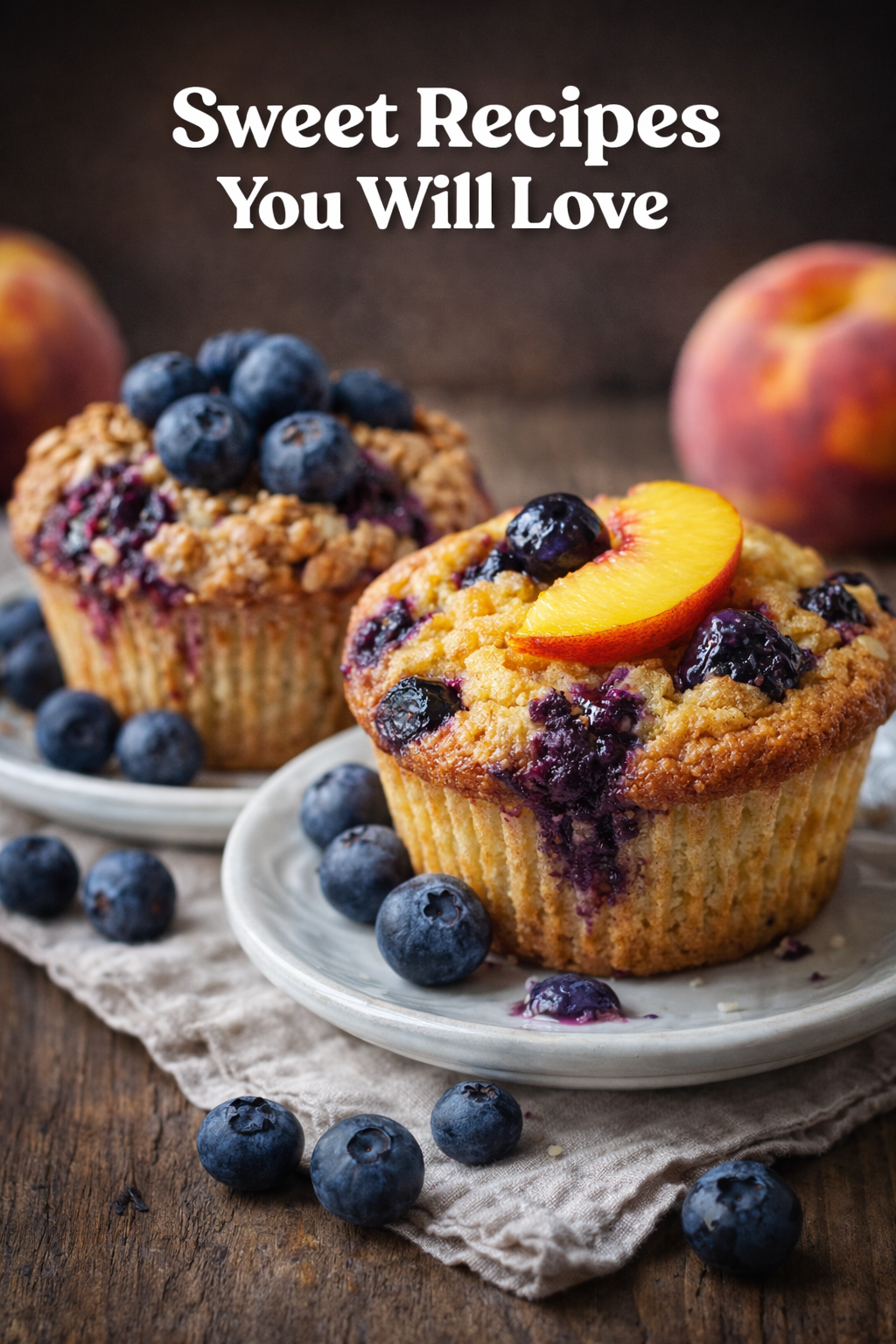
These classic blueberry muffins have the same tall, golden tops and tender crumb you expect from a neighborhood bakery, but with a fresher flavor that homemade batter always delivers. When they first come out of the oven, the tops are lightly crisp with a buttery crunch from the sugar topping, while the inside stays soft, moist, and packed with warm blueberries that burst into pockets of jammy sweetness. The smell alone — butter, vanilla, and baked berries — fills the kitchen within the first fifteen minutes of baking.
One thing that makes this blueberry muffin recipe reliable is the balance between baking powder and baking soda. That combination creates a fluffy rise without making the muffins taste overly cakey or dry. In pastry kitchens, we often avoid overmixing muffin batter because too much stirring develops gluten and creates dense, rubbery muffins instead of a tender texture. The batter here should look slightly lumpy before baking. That uneven texture is actually a good sign.
During testing, one batch turned out heavy because the melted butter was added while still too hot. It partially cooked the eggs and made the batter greasy. Letting the butter cool for a few minutes before mixing solved the issue immediately and gave the muffins a much lighter crumb. Another small detail that improves the final result is coating the blueberries in flour. This simple step keeps them suspended evenly throughout the batter instead of sinking to the bottom during baking.
Fresh blueberries give the muffins a bright, juicy flavor, but frozen berries work beautifully too if folded in straight from the freezer. In fact, many bakers prefer frozen berries because they hold their shape better during mixing. Adding a little lemon zest creates a subtle citrus aroma that sharpens the blueberry flavor without overpowering it.
These muffins work equally well for breakfast, afternoon coffee, lunchboxes, or a quick dessert warmed slightly with butter. The texture stays soft for days when stored properly, and the crumb develops an even richer buttery flavor by the next morning. For anyone searching for a dependable bakery-style blueberry muffin recipe with real homemade character, this version delivers consistent results without complicated techniques.
🫐 Classic Blueberry Muffins Recipe
Ingredients
Equipment
Method
- Preheat & Prepare
- Preheat oven to 375°F (190°C)
- Line a muffin tin with paper liners or grease it lightly
- Mix Dry Ingredients
- In a large bowl, whisk together:
- Flour
- Sugar
- Baking powder
- Baking soda
- Salt
- Mix Wet Ingredients
- In another bowl:
- Beat eggs
- Add melted butter, milk, and vanilla
- Mix until smooth
- Combine Mixtures
- Pour wet ingredients into dry ingredients
- Stir gently (do NOT overmix; batter should be slightly lumpy)
- Add Blueberries
- Toss blueberries in 1 tbsp flour
- Fold gently into batter
- Fill Muffin Cups
- Fill each cup about ¾ full
- Optional Topping
- Mix topping ingredients until crumbly
- Sprinkle over muffins
- Bake
- Bake for 20–25 minutes
- Muffins are ready when:
- Tops are golden
- Toothpick comes out clean
- Cool & Serve
- Let muffins cool for 5–10 minutes
- Serve warm or at room temperature
Notes
Use room temperature ingredients
Frozen blueberries? Don’t thaw (prevents bleeding)
For extra flavor: add lemon zest
Expert Tips & Techniques
Bakery-style blueberry muffins depend more on technique than complicated ingredients. One of the most important details is ingredient temperature. Room-temperature eggs and milk blend smoothly into the melted butter, creating an even batter that traps air properly during baking. Cold ingredients can cause the butter to firm up too quickly, which affects the texture of the crumb.
For tall muffin tops, let the batter rest for 10 minutes before filling the pan. This hydrates the flour and encourages a higher rise in the oven. Professional bakers also avoid overfilling the muffin cups; filling them about three-quarters full gives the batter enough room to expand without spilling over the edges.
A common mistake is overmixing after adding flour. Once the wet and dry ingredients meet, stir only until no large streaks of flour remain. A few lumps are completely normal. Overworked batter produces chewy muffins instead of a light, fluffy texture.
If using frozen blueberries, keep them frozen until the final fold. Thawed berries release too much juice and turn the batter grayish-purple. Another useful trick is chilling the crumb topping briefly before baking. Cold topping melts more slowly, creating a crisp, bakery-style finish instead of disappearing into the batter.
Store the muffins in an airtight container lined with paper towels to absorb excess moisture. This helps maintain the slightly crisp tops for up to two days. For longer storage, freeze individually wrapped muffins and warm them in the oven for a few minutes before serving.
Variations & Alternatives
This classic blueberry muffin recipe adapts beautifully to different flavors and dietary preferences. Lemon zest is one of the easiest upgrades because the citrus oils brighten the berry flavor and add a fresh aroma while baking. For a richer bakery-style version, replace part of the milk with sour cream or Greek yogurt. The extra fat keeps the crumb moist for longer and gives the muffins a softer texture.
Mixed berries also work well here. A combination of blueberries, raspberries, and blackberries creates a deeper fruit flavor and a slightly more tart finish. If you enjoy warm spice notes, a small pinch of cinnamon or cardamom pairs surprisingly well with blueberries without overpowering them.
For gluten-free blueberry muffins, use a reliable 1:1 gluten-free flour blend that includes xanthan gum. Almond milk or oat milk can replace dairy milk successfully, although whole milk still gives the richest texture. Some bakers also sprinkle coarse sugar over the tops before baking for extra crunch and sparkle.
Frequently Asked Questions
- Q: Why did my blueberry muffins turn dense instead of fluffy? Overmixing is usually the main reason. Stirring the batter too much develops gluten, which creates a heavier texture. Mix gently until just combined.
- Q: Can I use frozen blueberries? Yes. Add them directly from the freezer without thawing. This prevents excess moisture from bleeding into the batter and keeps the muffins from turning purple.
- Q: How do I get bakery-style muffin tops? Filling the cups properly, allowing the batter to rest briefly, and baking in a fully preheated oven all help create taller muffin tops with a golden finish.
- Q: Why coat blueberries in flour? The light flour coating helps suspend the berries evenly throughout the batter so they do not sink during baking.
- Q: Can these muffins be made ahead? Absolutely. The baked muffins freeze well for up to two months. Warm them slightly before serving to bring back the soft interior texture.
- Q: What gives muffins a moist texture? The balance of butter, eggs, and milk creates moisture, while careful mixing prevents the crumb from becoming dry or tough.