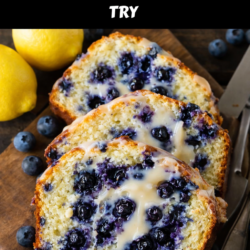
Moist Lemon Glazed Pound Cake Recipe (Easy & Buttery Homemade Dessert)
This Moist Lemon Glazed Pound Cake Recipe is rich, buttery, and bursting with fresh citrus flavor. This easy homemade dessert is topped with sweet lemon icing
📋 Table of Contents
Why You’ll Love This Recipe
A pound cake has no chemical leavening to rescue it. All of its rise comes from air beaten into butter and sugar, which makes the creaming stage the whole recipe.
That means it takes longer than feels necessary. Several minutes of beating, until the mixture is visibly paler and noticeably increased in volume. Butter at cool room temperature holds air best; too cold and it will not aerate, too warm and the air escapes as fast as it goes in.
Add the eggs one at a time and fully incorporate each before the next. Adding them together, or adding them cold, causes the batter to split, and a split batter loses the air you just spent minutes creating.
For the glaze, brush it on while the cake is still warm. A warm crumb absorbs some of the syrup rather than letting it sit on the surface, which is what carries lemon flavour into the cake instead of just onto it.

Lemon Glazed Pound Cake (Moist & Buttery)
Ingredients
Equipment
Method
- Step 1: Prepare the Pan
- Preheat oven to 350°F (175°C).
- Grease and flour a 9-inch bundt pan or loaf pan.
- Step 2: Cream Butter and Sugar
- In a large mixing bowl, beat the softened butter and sugar together until light and fluffy (about 3–4 minutes). This step is crucial for a soft, moist pound cake.
- Step 3: Add Eggs
- Add eggs one at a time, mixing well after each addition.
- Step 4: Mix Dry Ingredients
- In a separate bowl, whisk together flour, baking powder, and salt.
- Step 5: Combine Wet Ingredients
- In another bowl, mix milk, lemon juice, lemon zest, and vanilla extract.
- Step 6: Combine Everything
- Add dry ingredients to the butter mixture alternating with the milk mixture. Mix just until combined — do not overmix.
- Step 7: Bake
- Pour batter into prepared pan and smooth the top.
- Bake for 55–60 minutes, or until a toothpick inserted in the center comes out clean.
- Step 8: Cool
- Let the cake cool in the pan for 10–15 minutes, then transfer to a wire rack to cool completely.
- Make the Lemon Glaze
- Whisk powdered sugar and lemon juice together until smooth.
- Drizzle over completely cooled cake.
- Let glaze set before slicing.
Notes
Mixing and Baking Notes
The Creaming Method Matters More Than You Think. Beating butter and sugar together isn’t just about combining them. You’re creating thousands of tiny air pockets that expand in the oven. If your butter isn’t truly soft (leave it out for 1-2 hours, don’t microwave), you won’t get that fluffy, pale yellow stage. Stop when it looks like whipped butter, about 3-4 minutes with a mixer.
Room Temperature Isn’t Optional. Cold eggs will seize your butter mixture, turning a smooth batter into something that looks curdled. I’ve done it. The fix is simple: place eggs in a bowl of warm water for 5 minutes before cracking. Cold milk does the same thing. Warm it slightly or leave it on the counter for 30 minutes.
Know When to Stop Mixing. Once flour hits liquid, gluten starts developing. Mix until you no longer see dry streaks, then stop. The batter will be thick but not stiff. Overmixed pound cake bakes up with tunnels and a rubbery texture. Undermixed leaves pockets of flour. Find the middle ground by scraping the bowl’s bottom once with a spatula before pouring.
Test for Doneness Correctly. A toothpick that comes out clean is fine, but I prefer tapping the top lightly. If it springs back and sounds slightly hollow, it’s done. Also check the sides. They should pull away from the pan just a bit. If you wait until the cake is completely firm, you might overbake by 5-7 minutes.
Other Tins and Shapes
Lemon Poppy Seed Pound Cake: Add 2 tablespoons of poppy seeds to the dry ingredients. The tiny black specks contrast beautifully with the yellow crumb, and they add a gentle nutty crunch against the soft texture.
Gluten-Free Adaptation: Substitute all-purpose flour with a high-quality 1:1 gluten-free baking flour that contains xanthan gum (I recommend King Arthur or Bob’s Red Mill). Do not overmix, GF batters get gummy quickly. Bake at 325°F (165°C) for an extra 10-15 minutes and check with a skewer.
Lemon-Blueberry Swirl: Toss 1 cup of fresh or frozen blueberries with 1 tablespoon of flour. Gently fold into the batter after combining. The flour coating prevents the berries from sinking to the bottom. Frozen berries will bleed slightly, creating a pretty purple swirl.
Dairy-Free Version: Use vegan butter sticks (not tub margarine) and full-fat oat milk or canned coconut milk. The cake will be slightly less rich, but the lemon flavor actually comes forward more. Reduce baking temperature by 10°F and check early.
Reading the Bake Instead of the Timer
The toothpick test is the standard advice and it is unreliable for anything rich. In a batter containing melted chocolate or a lot of fat, the streaks left on the skewer are simply the fat, not raw batter, so a fully baked cake reads as underdone and gets returned to the oven. That is a common route to a dry result.
Internal temperature is the honest measure. Most butter cakes are done between 93 and 96 °C. Leaner sponges run a little higher, around 96 to 99 °C. An instant-read thermometer in the centre removes the guesswork entirely, and once you have checked a few bakes against it you start recognising the visual cues properly.
Those cues are worth learning. The edges pull very slightly away from the sides of the tin. The top springs back rather than holding a fingerprint. And the sound changes: a baking cake hisses quietly as steam escapes, and that noise fades as it finishes.
One more thing decides the crumb, and it happens early. Do not open the oven during the first two thirds of the bake. Until the structure sets, the batter is essentially a liquid held up by expanding gas, and the temperature drop from an open door is enough to collapse it. Once the top has domed and coloured, a quick look does no harm.
Frequently Asked Questions
- Q: Why did my pound cake crack down the center? That’s actually normal for pound cake. The outside sets before the inside finishes rising, forcing a crack. To minimize it, start baking at 325°F for the first 20 minutes, then increase to 350°F.
- Q: Can I use bottled lemon juice instead of fresh? I don’t recommend it. Bottled juice contains preservatives that taste metallic and lack the bright, floral oils of fresh lemons. The zest is equally important, bottled juice offers zero zest.
- Q: How do I store this cake to keep it moist? Wrap tightly in plastic wrap or store in an airtight container at room temperature for up to 4 days. Do not refrigerate. The cold temperature makes the crumb dry and firm.
- Q: Can I freeze Lemon Glazed Pound Cake? Yes, but freeze it without the glaze. Wrap the cooled cake tightly in plastic wrap, then foil, and freeze for up to 3 months. Thaw overnight at room temperature, then add fresh glaze.
- Q: My glaze turned out runny and slid off the cake, what happened? You likely added too much lemon juice. Start with 1½ tablespoons, whisk, then add more one teaspoon at a time. Glaze should be thick but pourable. It should fall in a ribbon that holds its shape for a second before smoothing out.