Best Chocolate Pecan Cake (Rich, Moist & Rich)
📋 Table of Contents
Why You’ll Love This Recipe
Nuts in a cake do two jobs, and only one of them is flavour. Pecans are roughly seventy per cent fat, and that fat coats flour proteins and shortens the crumb, which is part of why this style of cake reads as denser and more velvety than a plain chocolate cake.
Toast them first, and it is not optional if you want the flavour to carry. Raw pecans taste faintly of cardboard once buried in chocolate. A few minutes in a dry pan or a moderate oven, until they smell nutty, changes the whole result. Let them cool completely before they go into the batter, or their heat starts melting the fat around them.
Chop them unevenly on purpose. A mix of sizes gives some pieces that dissolve into the crumb and others that stay distinct, which is more interesting than a uniform grind.

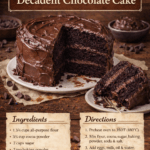
Decadent Chocolate Pecan Cake Rich, Moist & Absolutely Delicious
Ingredients
Equipment
Method
- Preheat Oven:
- Preheat your oven to 350°F (175°C). Grease and flour a bundt or loaf pan.
- Mix Dry Ingredients:
- In a large bowl, whisk together the flour, sugar, cocoa powder, baking soda, baking powder, and salt.
- Combine Wet Ingredients:
- In a separate bowl, whisk the eggs, oil, buttermilk, and vanilla until smooth.
- Create the Batter:
- Pour the wet mixture into the dry ingredients and stir until just combined. Slowly add the hot water while stirring to thin the batter. The batter will be smooth and slightly runny.
- Fold in Pecans and Chocolate Chips:
- Gently fold in the chopped pecans and optional chocolate chips.
- Bake:
- Pour the batter into the prepared pan and bake for 40–45 minutes or until a toothpick inserted in the center comes out clean. Let the cake cool in the pan for 10 minutes, then transfer to a wire rack to cool completely.
- Prepare the Ganache:
- Heat the heavy cream in a small saucepan until just simmering. Pour over the chocolate chips and let sit for 1 minute, then stir until smooth and glossy.
- Finish the Cake:
- Drizzle the ganache over the cooled cake and top with extra pecans for a beautiful finish.
Doneness, and Why the Toothpick Lies
The toothpick test is the standard advice and it is unreliable for anything rich. In a batter containing melted chocolate or a lot of fat, the streaks left on the skewer are simply the fat, not raw batter, so a fully baked cake reads as underdone and gets returned to the oven. That is a common route to a dry result.
Internal temperature is the honest measure. Most butter cakes are done between 93 and 96 °C. Leaner sponges run a little higher, around 96 to 99 °C. An instant-read thermometer in the centre removes the guesswork entirely, and once you have checked a few bakes against it you start recognising the visual cues properly.
Those cues are worth learning. The edges pull very slightly away from the sides of the tin. The top springs back rather than holding a fingerprint. And the sound changes: a baking cake hisses quietly as steam escapes, and that noise fades as it finishes.
One more thing decides the crumb, and it happens early. Do not open the oven during the first two thirds of the bake. Until the structure sets, the batter is essentially a liquid held up by expanding gas, and the temperature drop from an open door is enough to collapse it. Once the top has domed and coloured, a quick look does no harm.
Mixing and Baking Notes
For the richest flavor, use natural unsweetened cocoa powder with a strong chocolate aroma rather than overly processed cocoa blends. Sifting the cocoa together with the flour also prevents dry lumps from appearing in the finished cake. When mixing the wet and dry ingredients, use a spatula or wooden spoon instead of an electric mixer once the flour is added. This keeps the crumb tender and prevents the cake from becoming too compact.
Toasting the pecans before adding them to the batter is one of the easiest ways to improve the final result. Five to seven minutes in the oven releases their natural oils and intensifies their buttery flavor. Let them cool before folding them into the batter so they do not melt the chocolate chips prematurely.
One common baking mistake is removing the cake too early because the surface appears done. Chocolate cakes continue setting internally while baking, so always test the center with a toothpick. A few moist crumbs are ideal, but wet batter means the center still needs more time.
The ganache texture also matters. If it looks oily or separated, the cream was likely overheated. Heating it only until simmering creates a smoother emulsion once mixed with the chocolate. Let the ganache sit for a minute before stirring so the chocolate melts evenly.
Store leftover cake covered at room temperature for up to two days or refrigerate for longer freshness. Bringing slices back to room temperature before serving helps restore the soft texture and makes the chocolate flavor more noticeable.
Flavour Variations
This chocolate pecan cake adapts beautifully to different flavor combinations. For a deeper Southern-inspired version, add a tablespoon of bourbon to the ganache. The alcohol cooks off quickly but leaves behind warm caramel notes that pair naturally with toasted pecans.
Coffee lovers can replace the hot water with hot brewed coffee to intensify the chocolate flavor without making the cake taste strongly of coffee. If you prefer a softer nut texture, walnuts can replace pecans, though pecans provide a sweeter and slightly buttery finish.
For a dairy-free option, substitute the buttermilk with almond milk mixed with lemon juice and use coconut cream in place of heavy cream for the ganache. Gluten-free flour blends designed for baking also work surprisingly well in this recipe because the cake itself is naturally moist.
Some bakers also like adding a layer of chocolate buttercream beneath the ganache for extra richness, especially when serving the cake at birthdays or celebrations.
Frequently Asked Questions
- Q: Why is my chocolate cake dry? Overbaking is usually the cause. Check the cake a few minutes early and remove it once a toothpick comes out with moist crumbs instead of wet batter.
- Q: Can I make this cake ahead of time? Yes. In fact, the flavor becomes deeper after resting overnight. Store it covered so the crumb stays moist.
- Q: Do I have to toast the pecans? No, but it improves the flavor significantly. Toasting enhances their natural oils and gives the cake a richer nutty aroma.
- Q: Can I freeze this cake? Absolutely. Freeze the unfrosted cake tightly wrapped for up to two months. Add the ganache after thawing for the best texture.
- Q: Why is my ganache too thick? The chocolate-to-cream ratio may be too high or the ganache cooled too much. Warm it gently and stir until smooth again.

good backing
love this <3
tryy <3
Thanks..