Thick and Chewy Peanut Butter Cookies: Best Easy Recipe
Discover thick and chewy peanut butter cookies with rich flavor and a tender texture. Easy recipe made with creamy peanut butter and brown sugar.
📋 Table of Contents
Why You’ll Love This Recipe
Thick and chewy are two separate outcomes, and each has its own cause. Thickness comes from limiting spread; chewiness comes from moisture retained in the finished cookie.
Peanut butter helps with both, because its fat is less fluid at oven temperature than melted butter, so the dough holds its shape longer. That is also why the type matters: natural peanut butter separates and behaves unpredictably, while a stabilised one gives a consistent result.
Brown sugar is doing quiet work. It is hygroscopic, meaning it holds onto water, and slightly acidic, which softens the crumb. Shifting the ratio toward brown sugar and away from white makes the cookie chewier without changing anything else.
The last step is the hardest to accept. Take them out while the centres still look underdone. The hot tray keeps cooking them for several minutes afterwards, and a cookie that looks finished in the oven is dry by the time it cools.
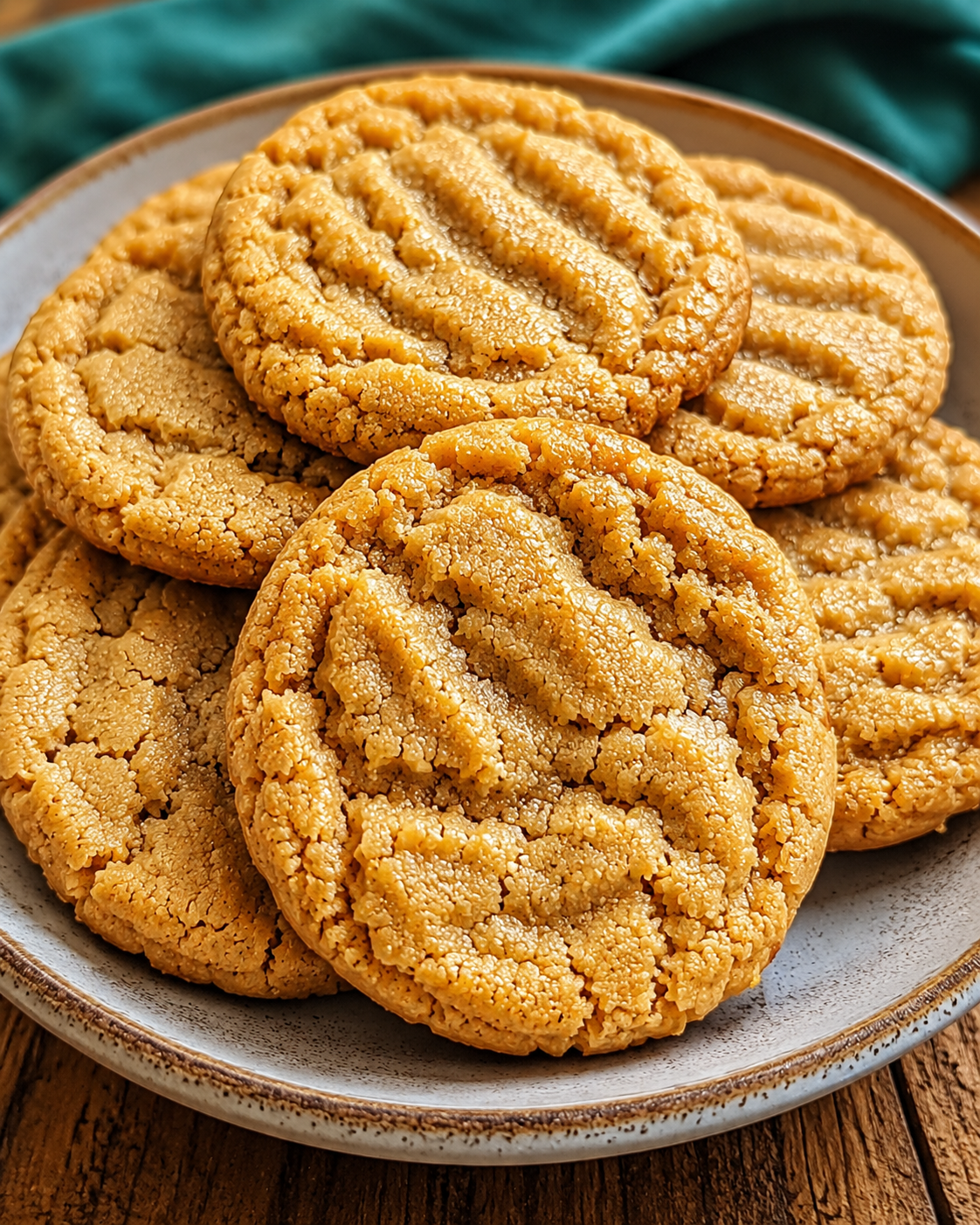
Thick and Chewy Peanut Butter Cookies
Ingredients
Equipment
Method
- Preheat the Oven: Set your oven to 350°F (175°C). Line a baking sheet with parchment paper or a silicone baking mat.
- Cream the Butters and Sugar: In a large mixing bowl, use a hand mixer or stand mixer to beat the peanut butter, softened butter, and brown sugar together until light and fluffy (about 2 minutes).
- Add Egg and Vanilla: Beat in the egg and vanilla extract until well incorporated.
- Mix Dry Ingredients: In a separate bowl, whisk together the flour, baking soda, and salt.
- Combine Wet and Dry: Gradually add the dry ingredients into the peanut butter mixture, mixing just until combined. Do not overmix.
- Shape the Cookies: Scoop out tablespoon-sized portions of dough and roll them into balls. Place them 2 inches apart on the prepared baking sheet. Gently press each ball down slightly with your fingers or a fork.
- Bake: Bake for 10–12 minutes, or until the edges are set and the tops look slightly underbaked — this helps keep them thick and chewy.
- Cool: Let the cookies cool on the baking sheet for 5 minutes before transferring them to a wire rack to cool completely.
Texture Is Set Before They Reach the Oven
Whether these come out thin and crisp or thick and chewy is decided mostly before baking, by butter temperature and by which sugar you use.
Butter is the main lever. Melted butter coats the flour and spreads freely, giving a flatter, denser result. Softened butter creamed with sugar traps air and holds more height. Cold butter cut in barely spreads at all. If a batch came out flatter than you wanted, the butter was warmer than the recipe assumed, and a warm kitchen is enough to cause it.
Chilling the dough does two separate things. Firm fat takes longer to melt in the oven, so there is less time to spread. And resting the dough lets the flour hydrate fully, which deepens the flavour noticeably. Thirty minutes helps; overnight is better, and the difference is real rather than superstition.
Sugar changes the outcome too. Brown sugar holds moisture and is slightly acidic, giving a softer, chewier, more spread-out result. White sugar gives crisper edges and a more even shape. Shifting the ratio between them adjusts the texture without touching anything else.
Finally, pull them early. Take them out when the edges are set and the centres still look slightly underdone. The tray holds a lot of heat and keeps cooking them for several minutes after it leaves the oven. Anything that looks properly done in the oven will be dry once it cools.
Where This One Goes Wrong
For thick and chewy peanut butter cookies, ingredient temperature matters more than most people realize. Softened butter should still feel slightly cool to the touch. If the butter becomes too warm, the dough spreads quickly in the oven and creates flat cookies instead of thick bakery-style centers. During recipe testing, chilling one overheated batch for just 15 minutes dramatically improved the texture and shape.
Use conventional creamy peanut butter rather than natural peanut butter that separates in the jar. Natural varieties contain extra oil, which can make the dough greasy and cause excessive spreading. If natural peanut butter is your only option, stir it extremely well and add an extra tablespoon of flour to stabilize the dough.
Avoid overmixing once the flour is added. Stir only until no dry streaks remain. Overworked dough develops excess gluten, resulting in firmer cookies instead of soft, chewy ones. A cookie scoop also helps create evenly sized portions so the cookies bake consistently.
One professional bakery trick is slightly underbaking the cookies and allowing them to cool directly on the hot tray for five minutes. The trapped residual heat finishes cooking the centers gently without drying them out. This is why the middle should still appear soft when removed from the oven.
For storage, keep the cookies in an airtight container with a small slice of sandwich bread. The bread helps maintain moisture and keeps the cookies tender for several days. If freezing, shape the dough into balls before freezing so you can bake fresh cookies whenever cravings hit.
Other Versions Worth Making
These chewy peanut butter cookies are flexible enough for several flavor variations without changing the overall texture. For a chocolate version, fold mini chocolate chips into the dough right before baking. The melted chocolate creates pockets of richness that pair beautifully with roasted peanut flavor.
If you enjoy a salty-sweet contrast, sprinkle flaky sea salt over the cookies immediately after baking. The salt enhances the nutty flavor and balances the sweetness from the brown sugar. Chopped roasted peanuts can also be pressed onto the tops before baking for extra crunch.
To make the recipe gluten-free, substitute a reliable 1:1 gluten-free flour blend. We tested this variation with good results, though the cookies baked slightly softer and benefited from an extra minute in the oven.
For a deeper flavor profile, try adding a pinch of cinnamon or espresso powder. Neither ingredient overpowers the peanut butter, but both subtly intensify the warm roasted notes in the dough. Some bakers even sandwich two cookies together with chocolate ganache or peanut butter frosting for an rich bakery-style dessert.
Frequently Asked Questions
- Q: Why did my peanut butter cookies turn out dry? Dry cookies are usually caused by too much flour or overbaking. Measure flour carefully using the spoon-and-level method and remove the cookies while the centers still look slightly soft.
- Q: Can I freeze the cookie dough? Yes. Scoop the dough into balls and freeze them on a tray before transferring to a freezer bag. Bake directly from frozen and add 1–2 extra minutes to the baking time.
- Q: Why are my cookies spreading too much? This often happens when the butter is too warm or the peanut butter contains excess oil. Chilling the dough briefly before baking helps control spreading.
- Q: Can I use crunchy peanut butter? Absolutely. Crunchy peanut butter adds extra texture and roasted peanut flavor. The cookies may bake slightly thicker due to the nut pieces.
- Q: How do I know when the cookies are done baking? The edges should look set and lightly golden while the centers remain soft. They continue to firm up as they cool on the baking sheet.


lovlyyy