The best Easy Raspberry Shortbread Bars
Buttery raspberry shortbread bars made with a crumbly crust and sweet raspberry jam. An easy dessert recipe perfect for holidays, tea time, or everyday baking.
📋 Table of Contents
Why You’ll Love This Recipe
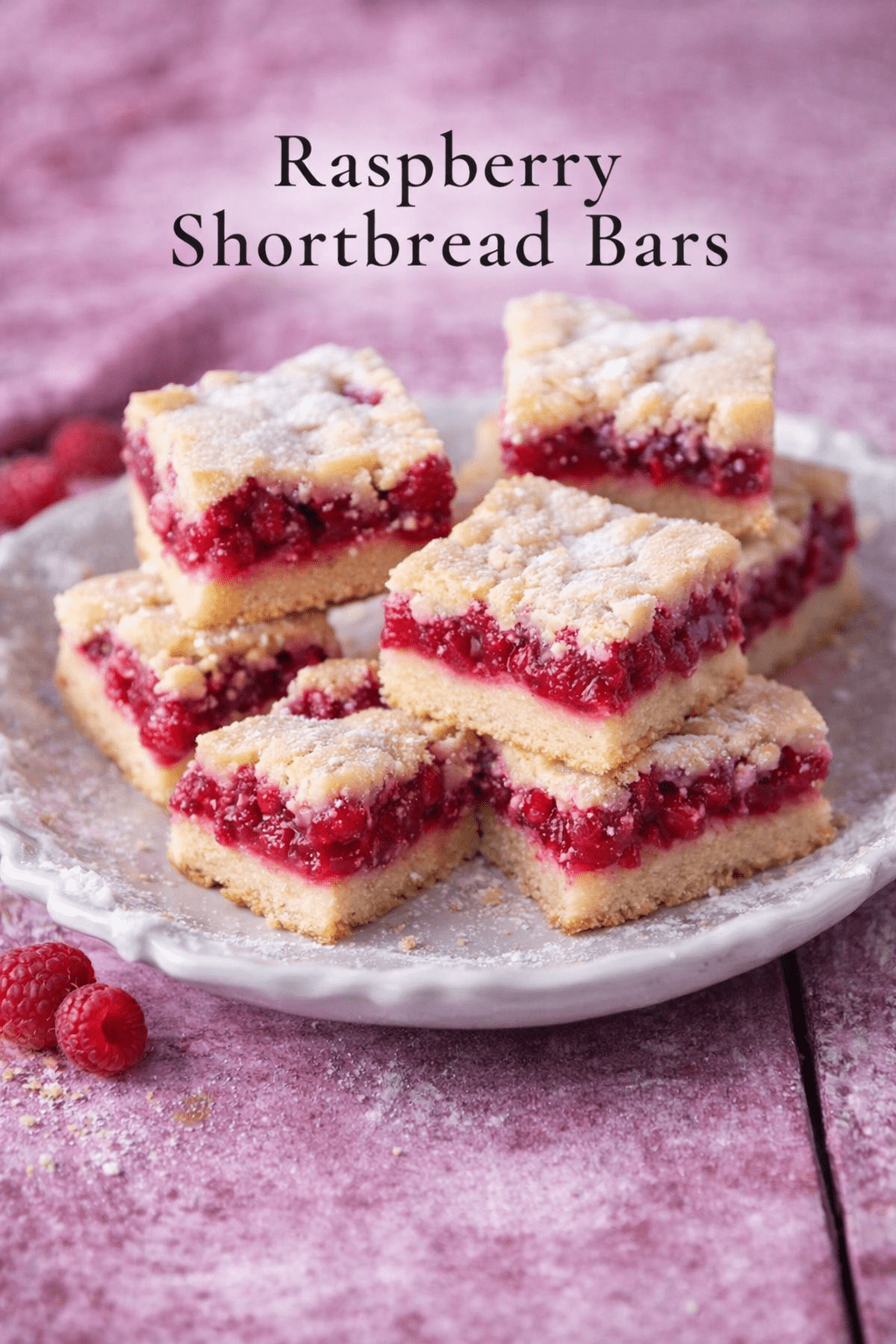
Raspberry shortbread bars are one of those desserts where simplicity reveals real technique. When I first tested this recipe, I was reminded how a few basic ingredients, butter, sugar, flour, and jam, can create something layered and nuanced when handled correctly. The base bakes into a firm yet tender shortbread, slightly crisp at the edges and soft in the center, while the raspberry layer adds a bright, tangy contrast that cuts through the richness.
The aroma during baking is unmistakable. As the butter melts and the sugar caramelizes slightly, you get that warm, almost toasted scent, followed by the fruity sharpness of raspberry jam bubbling gently in the oven. It’s subtle but noticeable. Like walking into a bakery mid-afternoon.
One mistake I made early on was spreading the jam too thickly. It seemed like a good idea at the time, but during baking, the jam became overly fluid and started seeping into the crust, making it slightly soggy underneath. The solution was to use a thinner, even layer. Just enough to cover without pooling. This keeps the structure intact and allows each layer to stay distinct.
The crumble topping is another key detail. It shouldn’t be packed down or pressed. Leaving it loose creates that classic crumbly texture. As it bakes, it turns lightly golden and develops a delicate crispness that contrasts beautifully with the soft jam layer beneath.
Once cooled completely, the bars slice cleanly, revealing defined layers. The texture becomes more stable as the butter sets, which is why patience at this stage matters. The final result is balanced: buttery and rich, slightly crisp, with a sweet-tart finish from the raspberry that keeps each bite from feeling heavy.
Easy Raspberry Shortbread Bars
Ingredients
Equipment
Method
- Preheat oven to 350°F (175°C). Line an 8×8 inch baking pan with parchment paper.
- Make the dough
- In a mixing bowl, cream together the butter and sugar until light and fluffy. Add vanilla extract and mix well.
- Add dry ingredients
- Mix in the flour and salt until a crumbly dough forms.
- Make the base
- Press about 2/3 of the dough evenly into the bottom of the prepared baking pan.
- Add raspberry layer
- Spread the raspberry jam evenly over the crust.
- Add crumble topping
- Crumble the remaining dough over the raspberry jam.
- Bake
- Bake for 30–35 minutes or until the top is lightly golden.
- Cool and slice
- Allow bars to cool completely before cutting into squares.
- Optional
- Dust with powdered sugar before serving.
Notes
Where This One Goes Wrong
The foundation of great shortbread is proper creaming. When you beat the butter and sugar, you’re not just mixing. You’re incorporating air, which gives the final texture a lighter, more delicate bite. If you skip this step or rush it, the bars can turn dense instead of tender.
A common issue is dough that feels too soft or sticky. This usually happens if the butter is overly warm. The fix is simple: chill the dough for 10–15 minutes before pressing it into the pan. This helps maintain structure and prevents excessive spreading during baking.
When adding the crumble topping, resist the urge to press it down. Keeping it loose allows the heat to circulate around the pieces, creating that lightly crisp, golden texture. Pressing it will result in a more uniform, less interesting top.
Cooling is just as important as baking. Cutting the bars too early can cause them to fall apart because the butter hasn’t fully set. Let them cool completely, or even chill them slightly, for clean, sharp slices.
Store the bars in an airtight container at room temperature for up to 4 days. If refrigerated, allow them to sit at room temperature before serving to restore their soft, buttery texture.
Controlling Spread and Chew
Whether these come out thin and crisp or thick and chewy is decided mostly before baking, by butter temperature and by which sugar you use.
Butter is the main lever. Melted butter coats the flour and spreads freely, giving a flatter, denser result. Softened butter creamed with sugar traps air and holds more height. Cold butter cut in barely spreads at all. If a batch came out flatter than you wanted, the butter was warmer than the recipe assumed, and a warm kitchen is enough to cause it.
Chilling the dough does two separate things. Firm fat takes longer to melt in the oven, so there is less time to spread. And resting the dough lets the flour hydrate fully, which deepens the flavour noticeably. Thirty minutes helps; overnight is better, and the difference is real rather than superstition.
Sugar changes the outcome too. Brown sugar holds moisture and is slightly acidic, giving a softer, chewier, more spread-out result. White sugar gives crisper edges and a more even shape. Shifting the ratio between them adjusts the texture without touching anything else.
Finally, pull them early. Take them out when the edges are set and the centres still look slightly underdone. The tray holds a lot of heat and keeps cooking them for several minutes after it leaves the oven. Anything that looks properly done in the oven will be dry once it cools.
Other Versions Worth Making
While raspberry is classic, this recipe adapts well to other fruit preserves. Apricot creates a milder, slightly floral flavor, while strawberry offers a sweeter, softer profile. For a more intense contrast, blackberry jam adds a deeper, slightly earthy tartness.
You can also experiment with texture by adding sliced almonds or oats to the crumble topping. This introduces a subtle crunch that complements the soft filling. For a citrus twist, adding lemon zest to the dough brightens the overall flavor and pairs naturally with berry fillings.
For a gluten-free option, substitute a gluten-free flour blend designed for baking. The texture remains close to traditional shortbread, though slightly more delicate.
Frequently Asked Questions
- Q: Why are my bars falling apart? They were likely cut before fully cooling. Let them set completely for cleaner slices.
- Q: Can I use fresh raspberries instead of jam? Yes, but cook them down with sugar first to achieve a thicker consistency.
- Q: How do I prevent a soggy crust? Use a thin, even layer of jam and avoid excess moisture.
- Q: Can I freeze these bars? Yes, they freeze well. Wrap tightly and thaw at room temperature before serving.