10 Common Mistakes in Pastry Making: Elevate Your Baking Skills
Pastry making is an art and a science, a delicate balance of ingredients and techniques. While incredibly rewarding, it’s also prone to common pitfalls that can turn a dream dessert into a baking disaster. Whether you’re a novice baker or a seasoned pro, understanding these frequent errors and how to avoid them is key to achieving consistently delicious results. Let’s dive into the most common missteps and transform your baking from good to truly gourmet.
By Sweet Recipe Team | May 9, 2026
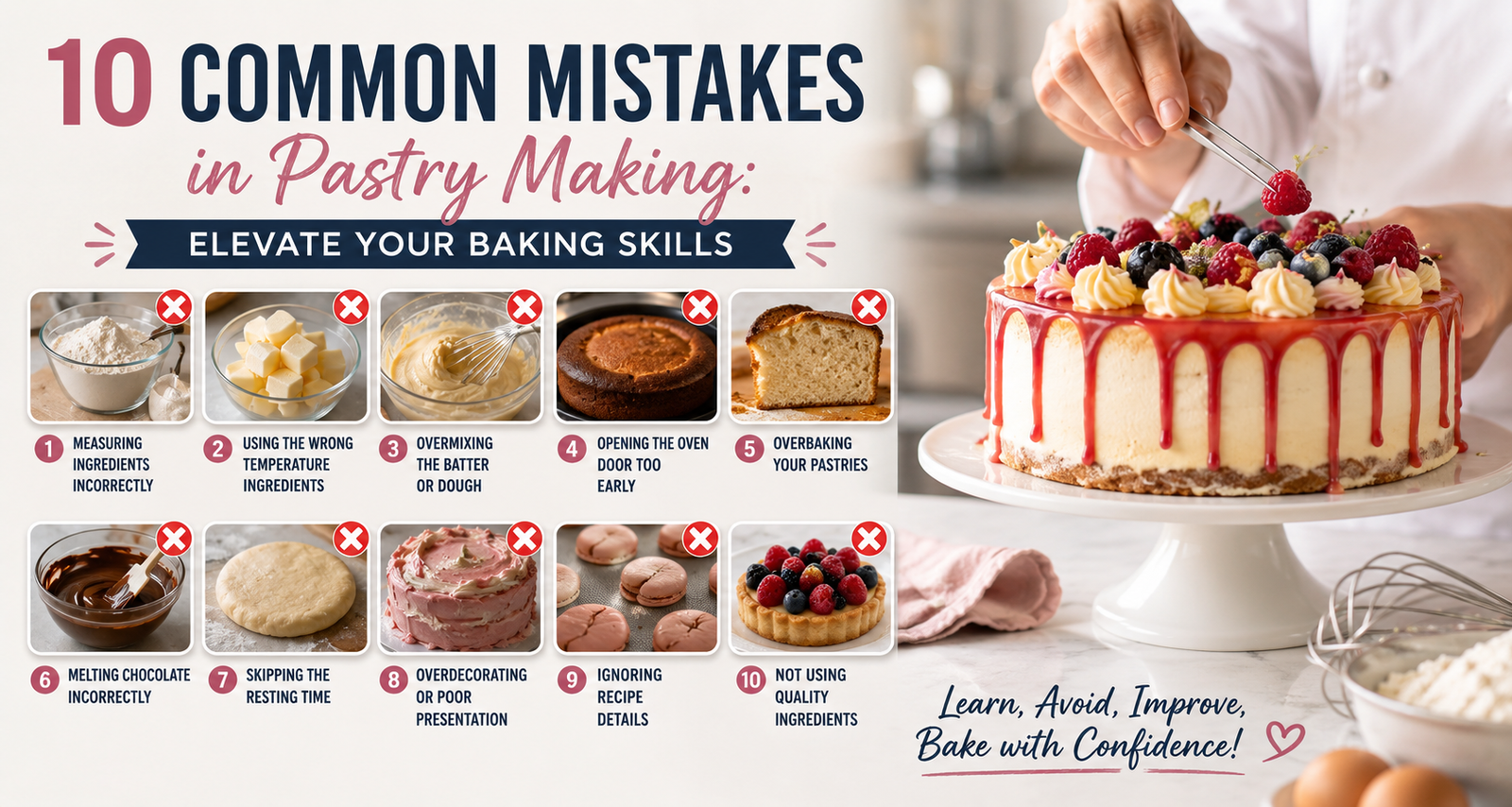
The Sweet Science: Avoiding Common Pastry Pitfalls
Baking is often described as chemistry, and pastry making is its most refined branch. Precision, patience, and an understanding of how ingredients interact are paramount. Even a slight deviation can lead to a less-than-perfect outcome. This guide will walk you through the ten most common mistakes, offering clear explanations and actionable tips to ensure your next pastry endeavor is a resounding success. Get ready to impress with perfectly textured, aromatic, and visually stunning creations!
1. Incorrect Ingredient Measurement
Unlike cooking, where a pinch of this or a dash of that often works, pastry making demands exactness. Too much flour can lead to a dry, crumbly dough, while insufficient sugar not only affects sweetness but also texture and browning. Imagine a cookie that lacks its delicate crispness, turning instead into a hard, bland disc. The balance of fats, sugars, and flours dictates the final mouthfeel – from a tender crumb to a flaky crust.
Tip: Always use a digital kitchen scale for dry ingredients and even liquids if the recipe provides gram measurements. For small quantities like yeast or spices, precise measuring spoons are essential. This precision ensures a perfect harmony of flavors and a texture that’s either meltingly tender or delightfully crisp, just as intended.
2. Over or Under Mixing Dough/Batter
The mixing process is critical. Overmixing flour-based batters (like for cakes, muffins, or pancakes) develops gluten excessively, resulting in a tough, chewy texture. Instead of a light, fluffy muffin that melts in your mouth, you might end up with a dense, rubbery one. Conversely, undermixing can leave streaks of uncombined ingredients, leading to an uneven bake and pockets of flour or sugar. The delightful aroma of a perfectly baked cake is often tied to its airy, consistent structure.
Tip: Mix just until ingredients are combined. A few small lumps are perfectly acceptable for muffin batters. For yeast doughs, proper kneading is necessary to develop gluten, but for delicate pastries, aim for minimal mixing to retain tenderness. The goal is a soft, airy texture that feels like a cloud of flavor on the tongue.
3. Incorrect Ingredient Temperature
Many recipes specify ingredients at room temperature (eggs, butter, milk) for a reason. Softened butter creams better with sugar, creating a light, airy emulsion that traps air, crucial for a fluffy texture. Cold eggs can curdle a mixture and prevent proper emulsification. A cheesecake baked with cold cream cheese might crack on the surface, losing its smooth, inviting appearance. The temperature affects how ingredients bind and react, influencing everything from rise to final texture.
Tip: Take eggs, butter, and dairy products out of the refrigerator at least an hour before you start. If you’re in a hurry, cut butter into small cubes or run eggs under warm water for a few minutes. This ensures smooth, homogeneous mixtures, guaranteeing even baking and a perfect, consistent texture.
4. Opening the Oven Door During Baking
The temptation to peek at your beautifully rising cake is strong, but every time you open the oven door, the temperature drops abruptly. This can cause delicate pastries like soufflés, choux pastry, or light cakes to collapse. A fallen soufflé is a sad sight, losing all its majestic height and airy lightness. The sudden change in temperature disrupts the setting structure, leading to a dense, deflated result. The warm, inviting scent of baking can quickly turn to disappointment.
Tip: Resist the urge! Use the oven light to monitor progress. Only open the door after two-thirds of the recommended baking time, and only if the recipe permits or if you need to check for doneness with a skewer. Patience is a virtue in pastry making, rewarded with perfectly risen, golden-brown creations.
5. Not Preheating the Oven Properly
An improperly preheated oven can ruin a bake. If the oven isn’t at the correct temperature from the start, your dough won’t rise properly, or worse, it will bake unevenly. A cake placed in a cold oven might develop a tough crust and a dense interior, lacking the tenderness and moistness expected. The initial burst of heat is vital for activating leavening agents and setting the structure, ensuring an even, golden finish and a pleasant aroma.
Tip: Always preheat your oven for at least 15-20 minutes before baking, even if it indicates it has reached temperature. Use an oven thermometer to verify its accuracy. Consistent, even heat is the key to perfect baking, ensuring a golden color and a uniform, delightful texture.
6. Overworking Pastry Dough (e.g., Pie Crust)
For flaky pastries like pie crusts or scones, overworking the dough is a common mistake. When you overwork the dough, you develop the gluten in the flour too much, leading to a tough, dense, and less flaky result. The butter, which is meant to create steam pockets for flakiness, gets fully incorporated instead of remaining in distinct pieces. The desired delicate, buttery crunch is replaced by a chewy, unappealing texture. The rich, buttery aroma should be accompanied by a melt-in-your-mouth experience.
Tip: Work quickly and gently. Use cold butter cut into small pieces and incorporate it minimally, leaving visible chunks. For pie crusts, mix just until the dough comes together. The less you handle it, the more tender and flaky your pastry will be, offering that satisfying crispness with every bite.
7. Substituting Ingredients Without Understanding
Attempting to replace sugar with an artificial sweetener, wheat flour with a gluten-free alternative, or butter with margarine without understanding the implications can lead to disaster. Each ingredient plays a specific role in structure, texture, and flavor. An ill-advised substitution can disrupt the delicate chemical balance of the recipe. A macaron made with the wrong almond flour won’t rise and will remain flat and sticky, lacking its characteristic delicate crunch and sweet, nutty flavor.
Tip: If you must substitute, research thoroughly about equivalences and their impact on the recipe. Prioritize minor substitutions or those validated by professional bakers. Pastry making is a delicate alchemy, and every element contributes to the final magic. Trust your senses; a good substitute should not compromise the aroma or taste.
8. Not Cooling Pastries Properly
Patience is a virtue, especially after baking. Cutting a cake while it’s still warm can cause it to collapse, and attempting to frost hot cupcakes will result in a melted, sugary mess. Flavors and textures continue to develop as pastries cool. A warm brownie might be crumbly and less intensely chocolatey than a cooled one that has developed its full aromatic richness and fudgy texture. The anticipation of a perfectly set dessert is part of the joy.
Tip: Always let your pastries cool completely on a wire rack before unmolding, cutting, or decorating. This allows the structure to stabilize and flavors to intensify. The result will not only look better but also taste and feel significantly superior, offering a satisfying bite and a lingering sweet finish.
9. Using Low-Quality Ingredients
The quality of your ingredients directly impacts the final taste of your pastries. A cheap compound chocolate, flavorless fruit, or artificial vanilla will never yield the same results as high-quality couverture chocolate, ripe seasonal fruits, and a genuine vanilla bean. The taste will be flat, lacking depth, and the overall eating experience will be greatly diminished. The vibrant colors and natural sweetness of fresh ingredients are irreplaceable.
Tip: Invest in quality ingredients. Good butter, fresh eggs, high-percentage cocoa chocolate, and seasonal fruits will make all the difference. Your taste buds will thank you, and your pastries will boast a rich, authentic, and unforgettable flavor profile, with a delightful aroma that fills the kitchen.
10. Lack of Confidence and Practice
Pastry making, like any art, requires practice and confidence. Every failure is a lesson. Don’t be discouraged if your first attempt isn’t perfect. The fear of failure can prevent you from experimenting and learning. A hesitant baker often makes less assured movements, which can reflect in the final texture or appearance. The joy of creating something beautiful and delicious often comes after overcoming initial challenges.
Tip: Start with simple recipes and master them before moving on to more complex challenges. Trust your instincts (once the basics are learned) and don’t be afraid to experiment. Practice makes perfect, and each successful dessert will boost your confidence and passion for pastry making. The pleasure of creating is just as important as the pleasure of tasting!
Conclusion: Pastry Making, an Art to Master with Passion
Pastry making is a delightful journey, filled with learning and discovery. By avoiding these 10 common mistakes, you put all the chances on your side to create desserts that will delight both the eyes and the taste buds. Remember that patience, precision, and a love for quality ingredients are your best allies. Every cake, every tart, every cookie is an opportunity to create joy. So, put on your apron, get out your utensils, and let the magic happen! Happy baking!
FAQ: Your Common Pastry Questions Answered
Q: Why isn’t my cake rising?
A: Several reasons could explain this: expired or insufficient leavening agent, oven not hot enough, oven door opened too early, or overmixed batter. Check these points for your next attempt to achieve that perfect rise and airy texture.
Q: How can I prevent my cookies from spreading too much?
R: Ensure your butter is at the correct temperature (softened, not melted), don’t overcrowd the baking sheet, and chill the dough before baking if it’s too soft. Excess liquid or insufficient flour can also be a cause. A perfectly shaped cookie holds its form and offers a satisfying bite.
Q: Is it really necessary to sift flour?
R: Yes, sifting flour helps remove lumps and incorporates air, making your preparations lighter and more homogeneous. It’s a small step that makes a big difference, especially for delicate cakes and batters, contributing to a smoother texture and better rise. The fine, even texture of sifted flour ensures a consistent bake and a tender crumb.