Delicious & Easy Vegan Desserts You Won’t Believe Are Dairy-Free
Embrace the sweet side of plant-based eating! Vegan desserts have evolved far beyond simple fruit salads, offering a delightful array of textures and flavors that rival their dairy-laden counterparts. Whether you’re navigating dietary restrictions, exploring a plant-based lifestyle, or simply curious, this guide will show you how incredibly easy and delicious dairy-free baking can be. Prepare to indulge in treats so rich and satisfying, you’ll forget they’re vegan!
By Sweet Recipe Team | June 16, 2026
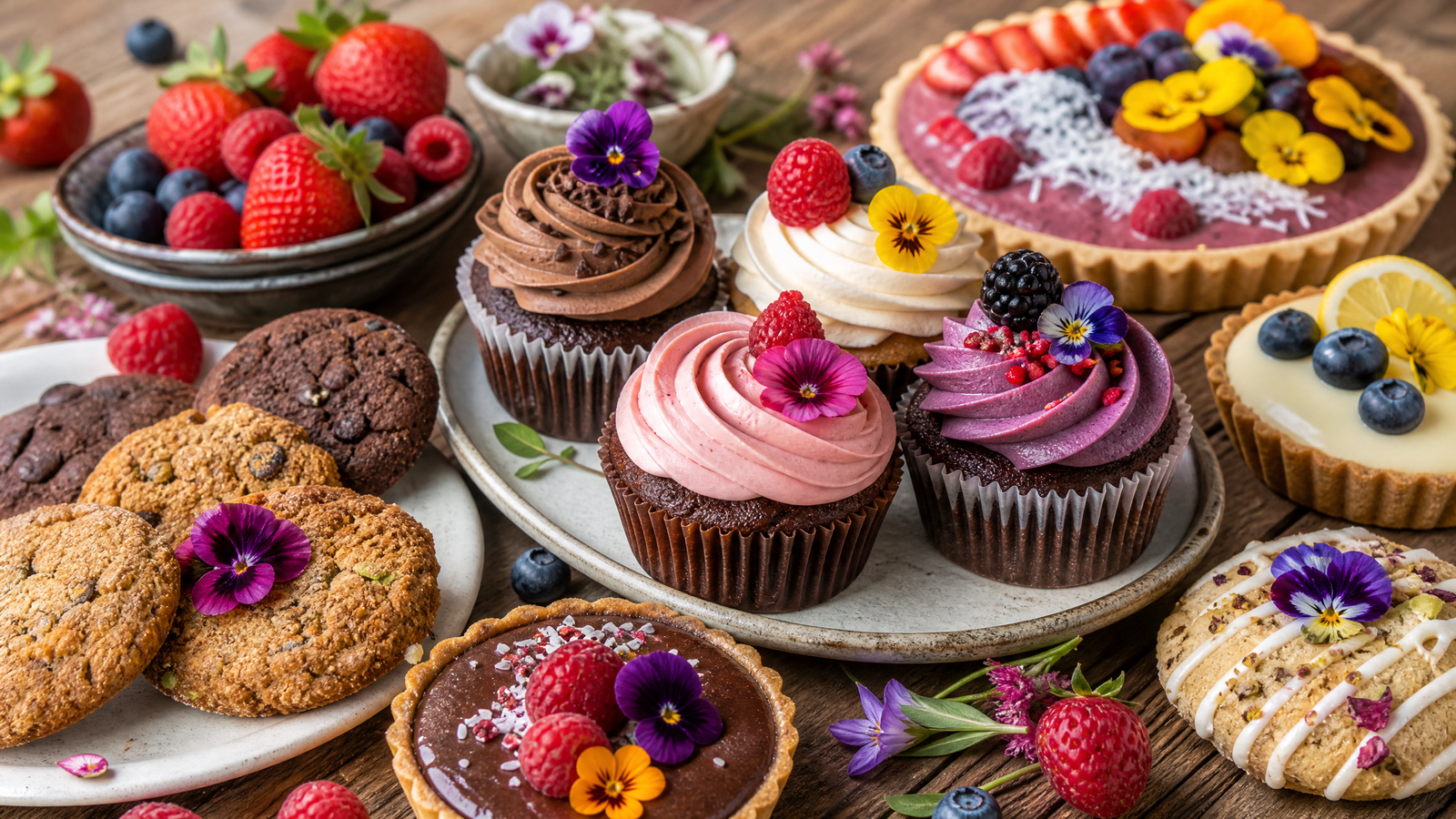
The Sweet Revolution: Indulging in Plant-Based Delights
The world of vegan desserts is a testament to culinary innovation, proving that you don’t need dairy or eggs to create incredibly decadent and satisfying treats. From creamy cheesecakes to fluffy cakes and rich brownies, plant-based alternatives offer all the indulgence without compromise. This article will guide you through essential vegan ingredients, clever substitutions, and easy recipes that will become your new go-to for guilt-free sweetness. Get ready to bake, share, and savor!
1. Mastering Vegan Milk Substitutes
Dairy milk is a staple in many traditional dessert recipes, but the vegan world offers a plethora of delicious and versatile alternatives. Almond milk, soy milk, oat milk, and coconut milk each bring unique flavors and textures. Oat milk, for instance, provides a creamy richness perfect for custards and lattes, while coconut milk adds a subtle tropical note and a luxurious thickness to mousses and curries. The key is to choose the right milk for the right application to achieve the desired consistency and flavor profile. Imagine a velvety smooth chocolate pudding, its richness enhanced by the subtle sweetness of oat milk.
Tip: For baking, unsweetened plain varieties are usually best to control the sugar content and avoid unwanted flavors. Full-fat coconut milk (from a can) is excellent for creating thick creams and whipped toppings. Experiment to find your favorite for different recipes; each milk offers a slightly different mouthfeel and aroma.
2. Egg Replacements: The Vegan Baker’s Secret Weapon
Eggs play multiple roles in baking: binding, leavening, and adding moisture. Fortunately, there are many effective vegan egg substitutes. Flax eggs (1 tbsp ground flaxseed + 3 tbsp water), chia eggs, mashed banana, applesauce, and commercial egg replacers are all excellent options. For binding, flax or chia eggs work wonders, creating a slightly nutty flavor and a gooey texture. Applesauce and mashed banana add moisture and sweetness, ideal for muffins and quick breads. The right substitute ensures your baked goods have the perfect structure and tenderness. Think of a fluffy banana bread, perfectly moist and held together by the natural binding power of fruit.
Tip: Choose your egg replacer based on the egg’s function in the recipe. For leavening, a combination of baking soda and vinegar can often mimic egg’s lifting power. Always consider the flavor and moisture contribution of your chosen substitute to maintain the dessert’s intended sensory experience.
3. Butter Alternatives: Richness Without Dairy
Vegan butter sticks and spreads have come a long way, offering a neutral flavor and similar fat content to dairy butter, making them ideal for baking. Coconut oil, while having a distinct flavor, can also be used, especially in recipes where a tropical hint is welcome. For richness and moisture, nut butters (like cashew or almond butter) can be excellent, particularly in cookies and bars. The goal is to replicate the tender crumb and rich mouthfeel that butter provides, ensuring your vegan treats are just as indulgent. Imagine a flaky pie crust, golden and crisp, made with a high-quality vegan butter that melts in your mouth.
Tip: Look for vegan butter brands specifically designed for baking, as they often have a similar fat-to-water ratio to dairy butter. For recipes requiring solid butter (like pie crusts), ensure your vegan butter is very cold. For melted butter, coconut oil is a great option, adding a subtle, fragrant aroma.
4. Sweeteners Beyond Refined Sugar
While many vegan recipes use traditional sugar, some choose to explore alternative sweeteners for health or ethical reasons. Maple syrup, agave nectar, date paste, and coconut sugar are popular choices. Maple syrup and agave nectar are liquid sweeteners that can add moisture and a distinct flavor profile. Date paste offers a natural sweetness and a chewy texture, while coconut sugar provides a caramel-like note. These alternatives can deepen the flavor complexity of your desserts, adding earthy or fruity undertones. Consider a rich brownie, its sweetness derived from dates, offering a nuanced, wholesome flavor.
Tip: When substituting liquid sweeteners for granulated sugar, you may need to adjust the liquid content in your recipe. Also, be aware that some alternative sweeteners have a lower glycemic index or different nutritional profiles. Always taste and adjust to your preference, ensuring the sweetness balances with other flavors.
5. The Magic of Aquafaba: Whipping Up Wonders
Aquafaba, the liquid from canned chickpeas, is a revolutionary ingredient in vegan baking. It can be whipped into a meringue-like foam, making it an incredible substitute for egg whites in recipes like meringues, mousses, and even macarons. It’s virtually flavorless when baked, allowing the other ingredients to shine. The ability to create light, airy, and stable foams from a humble bean liquid is truly remarkable. Imagine delicate, crisp vegan meringues, light as air, dissolving on the tongue with a sweet whisper.
Tip: For best results, use unsalted aquafaba from canned chickpeas. Reduce it slightly on the stovetop to concentrate it if it seems too thin. Whip it with an electric mixer until stiff peaks form, just like egg whites. A pinch of cream of tartar can help stabilize the foam, ensuring your vegan meringues are perfectly structured.
6. Vegan Chocolate: Indulgence Without Guilt
Finding delicious vegan chocolate is easier than ever. Many dark chocolates are naturally dairy-free, but always check the ingredients list for milk solids. Vegan chocolate chips, bars, and cocoa powder are widely available, ensuring you can create rich, decadent chocolate desserts. The quality of your chocolate significantly impacts the final taste, so opt for good quality brands. Imagine a molten lava cake, its rich, dark chocolate interior oozing with warmth, completely dairy-free yet utterly luxurious. The deep, complex aroma of high-quality cocoa is unmistakable.
Tip: When buying chocolate, look for labels that explicitly state “dairy-free” or “vegan.” For baking, choose a chocolate with a high cocoa percentage for a richer flavor. The smooth, intense flavor of quality vegan chocolate elevates any dessert, making it truly irresistible.
7. Fruit-Based Sweeteners and Fats: Natural Goodness
Fruits can serve as both sweeteners and fat replacers in vegan baking. Mashed bananas, applesauce, and pumpkin puree add natural sweetness, moisture, and can even act as binders. Avocado, with its creamy texture and healthy fats, can replace butter or oil in certain recipes, contributing to a rich, smooth consistency without a strong flavor. These natural ingredients not only make desserts healthier but also infuse them with subtle, complex flavors and a delightful freshness. Think of a chocolate avocado mousse, surprisingly light yet incredibly rich, with a hint of fruitiness.
Tip: When using fruit purees as fat or sugar substitutes, be mindful of the moisture content and adjust other liquids in the recipe accordingly. For example, if using applesauce, you might need to reduce the amount of milk or water. These natural additions contribute to a more wholesome and flavorful dessert, with a pleasant, natural aroma.
8. Nuts and Seeds: Texture, Flavor, and Nutrition
Nuts and seeds are indispensable in vegan baking, providing healthy fats, protein, fiber, and incredible texture. Ground almonds can replace a portion of flour for a richer, denser crumb. Cashews, when soaked and blended, create incredibly creamy bases for cheesecakes, mousses, and frostings. Chia seeds and flax seeds, when mixed with water, form a gel that acts as a binder. These ingredients add depth of flavor, from the earthy notes of walnuts to the subtle sweetness of cashews, and contribute to a satisfying mouthfeel. Imagine a creamy cashew cheesecake, its rich, nutty flavor perfectly complementing a berry topping.
Tip: Always soak nuts (especially cashews) before blending to achieve the smoothest consistency. Toasting nuts lightly before grinding can enhance their flavor. For seed-based binders, ensure they are finely ground for optimal binding power. These additions not only boost nutrition but also elevate the sensory experience of your desserts.
9. Natural Food Colorings: Vibrant and Healthy
Achieving vibrant colors in vegan desserts without artificial dyes is easy with natural ingredients. Beetroot powder can create beautiful pinks and reds, spirulina powder yields stunning blues and greens, and turmeric can produce bright yellows. These natural colorings not only make your desserts visually appealing but also add a subtle, earthy flavor and nutritional benefits. Imagine a rainbow of cupcakes, each hue derived from natural sources, looking as good as they taste. The visual appeal is just as important as the taste and aroma.
Tip: Start with small amounts of natural food colorings and gradually add more until you achieve the desired shade. Be aware that some natural colors can impart a subtle flavor, so choose wisely based on your dessert. These natural pigments offer a healthy and beautiful way to enhance your vegan creations.
10. The Power of Spices and Extracts: Elevating Flavor
Spices and extracts are crucial for adding depth and complexity to vegan desserts. Vanilla extract is a given, but don’t shy away from cinnamon, nutmeg, cardamom, or even a pinch of cayenne for a subtle kick. Citrus zests (lemon, orange, lime) provide bright, fresh notes that can cut through richness. High-quality extracts like almond, peppermint, or coffee can transform a simple dessert into something extraordinary. These aromatic additions awaken the senses, turning a good dessert into a truly memorable one. The interplay of sweet, spicy, and tangy notes creates a symphony of flavors.
Tip: Always use fresh, high-quality spices and pure extracts for the best flavor. Toast whole spices before grinding them to release their essential oils. Don’t be afraid to experiment with unexpected combinations; a touch of black pepper can enhance chocolate, for instance. These small additions can make a huge difference in the overall aroma and taste profile of your vegan treats.
Conclusion: Vegan Desserts – A World of Flavor Awaits
Vegan desserts are no longer a compromise; they are a celebration of flavor, texture, and ethical eating. By understanding the versatility of plant-based ingredients and mastering clever substitutions, you can create an endless array of delicious treats that will impress everyone, vegan or not. From rich chocolate cakes to delicate fruit tarts, the possibilities are limitless. Embrace the creativity, experiment with new ingredients, and discover the joy of baking incredible dairy-free desserts. Your taste buds, and the planet, will thank you!
FAQ: Vegan Dessert Baking
Q: Are vegan desserts always healthier?
A: While many vegan desserts can be healthier due to the use of whole foods and less saturated fat, it depends on the ingredients. Vegan doesn’t automatically mean healthy. It’s still important to be mindful of sugar content and portion sizes. Focus on nutrient-dense ingredients for the healthiest options.
Q: Can I substitute gluten-free flour in vegan dessert recipes?
R: Yes, but it requires careful consideration. Gluten-free flours often behave differently than wheat flour. For best results, use a pre-made gluten-free all-purpose blend that includes binders like xanthan gum, or follow recipes specifically designed for gluten-free vegan baking. Adjustments to liquid might be necessary.
Q: How do I make vegan whipped cream?
R: The easiest way is to use full-fat canned coconut milk. Chill a can of full-fat coconut milk overnight. Scoop out the thick cream from the top (discarding the liquid) and whip it with a hand mixer until fluffy. You can add a touch of powdered sugar and vanilla extract for flavor. It’s light, airy, and delicious!